Understanding Rivet Nuts: A Comprehensive Guide for Industrial Professionals
Feb 07,2024
Introduction:
Rivet nuts play a crucial role in the realm of industrial equipment and components, specifically in the category of fasteners and connectors. This comprehensive guide aims to provide professionals in the industry with indispensable knowledge about rivet nuts, including their applications, advantages, and the reasons they are widely adopted. Let's dive into the world of rivet nuts and
Introduction:
Rivet nuts play a crucial role in the realm of industrial equipment and components, specifically in the category of fasteners and connectors. This comprehensive guide aims to provide professionals in the industry with indispensable knowledge about rivet nuts, including their applications, advantages, and the reasons they are widely adopted. Let's dive into the world of rivet nuts and explore the usefulness of this remarkable fastening solution.
1. What are Rivet Nuts?
Rivet nuts, also known as threaded inserts or blind rivet nuts, are cylindrical fasteners with an internally threaded hole. These nuts are designed to be installed from one side of a workpiece and provide a permanent thread for a bolt or screw to be securely fastened. With their unique characteristics, rivet nuts eliminate the need for additional components such as nuts and washers, simplifying the assembly process.
2. Applications of Rivet Nuts:
Rivet nuts find extensive use in various industries, including automotive, aerospace, electronics, and construction. These versatile fasteners excel in joining thin or brittle materials, where traditional threading methods may fail. Rivet nuts offer reliable and durable connections in applications such as sheet metal fabrication, electrical enclosures, furniture assembly, and vehicle bodywork.
3. Advantages of Rivet Nuts:
- Enhanced Efficiency: Rivet nuts streamline the assembly process by enabling quick and easy installation, reducing production time and costs.
- Increased Load-Bearing Capacity: The use of rivet nuts distributes the load across a larger surface area, enhancing the strength and load-bearing capacity of the joint.
- Vibration Resistance: The secure grip of rivet nuts provides excellent resistance to vibrations and loosening, ensuring long-lasting and stable connections.
- Versatile Material Compatibility: Rivet nuts can be installed in various materials, including metals, plastics, and composites, expanding their applicability across industries.
- Accessibility: With blind rivet nuts, connections can be made in areas with limited accessibility, as they require access from only one side of the workpiece.
4. Installation Methods:
Rivet nuts can be installed using manual or automated tools. Manual tools, such as hand tools or pneumatic/hydraulic tools, are suitable for low to medium volume applications, while automated tools, like rivet nut setting machines, are ideal for high-volume production lines. The installation process involves creating a hole, inserting the rivet nut, and applying the appropriate tool to compress and expand the nut, creating a secure and threaded connection.
Conclusion:
Rivet nuts are indispensable components in the industrial equipment and components industry. Their unique features, numerous advantages, and wide range of applications make them the preferred choice for efficient and reliable fastening and connecting solutions. By understanding the capabilities and benefits of rivet nuts, professionals can optimize their assembly processes, improve product quality, and enhance overall productivity in their respective fields.
Rivet nuts play a crucial role in the realm of industrial equipment and components, specifically in the category of fasteners and connectors. This comprehensive guide aims to provide professionals in the industry with indispensable knowledge about rivet nuts, including their applications, advantages, and the reasons they are widely adopted. Let's dive into the world of rivet nuts and explore the usefulness of this remarkable fastening solution.
1. What are Rivet Nuts?
Rivet nuts, also known as threaded inserts or blind rivet nuts, are cylindrical fasteners with an internally threaded hole. These nuts are designed to be installed from one side of a workpiece and provide a permanent thread for a bolt or screw to be securely fastened. With their unique characteristics, rivet nuts eliminate the need for additional components such as nuts and washers, simplifying the assembly process.
2. Applications of Rivet Nuts:
Rivet nuts find extensive use in various industries, including automotive, aerospace, electronics, and construction. These versatile fasteners excel in joining thin or brittle materials, where traditional threading methods may fail. Rivet nuts offer reliable and durable connections in applications such as sheet metal fabrication, electrical enclosures, furniture assembly, and vehicle bodywork.
3. Advantages of Rivet Nuts:
- Enhanced Efficiency: Rivet nuts streamline the assembly process by enabling quick and easy installation, reducing production time and costs.
- Increased Load-Bearing Capacity: The use of rivet nuts distributes the load across a larger surface area, enhancing the strength and load-bearing capacity of the joint.
- Vibration Resistance: The secure grip of rivet nuts provides excellent resistance to vibrations and loosening, ensuring long-lasting and stable connections.
- Versatile Material Compatibility: Rivet nuts can be installed in various materials, including metals, plastics, and composites, expanding their applicability across industries.
- Accessibility: With blind rivet nuts, connections can be made in areas with limited accessibility, as they require access from only one side of the workpiece.
4. Installation Methods:
Rivet nuts can be installed using manual or automated tools. Manual tools, such as hand tools or pneumatic/hydraulic tools, are suitable for low to medium volume applications, while automated tools, like rivet nut setting machines, are ideal for high-volume production lines. The installation process involves creating a hole, inserting the rivet nut, and applying the appropriate tool to compress and expand the nut, creating a secure and threaded connection.
Conclusion:
Rivet nuts are indispensable components in the industrial equipment and components industry. Their unique features, numerous advantages, and wide range of applications make them the preferred choice for efficient and reliable fastening and connecting solutions. By understanding the capabilities and benefits of rivet nuts, professionals can optimize their assembly processes, improve product quality, and enhance overall productivity in their respective fields.
rivet nut
RELEVANT INFORMATION
Understanding the Importance and Applications of Spring Washer DIN127 in Industrial Fastening
In the industrial equipment and components sector, the Spring Washer DIN127 stands out as a crucial fastening element. Its distinctive design serves to maintain tension and prevent loosening of screws and bolts under various conditions. This article explores the characteristics and applications of the Spring Washer DIN127, providing valuable insights for professionals in the field.
The Spring Wash
Nov 15,2025
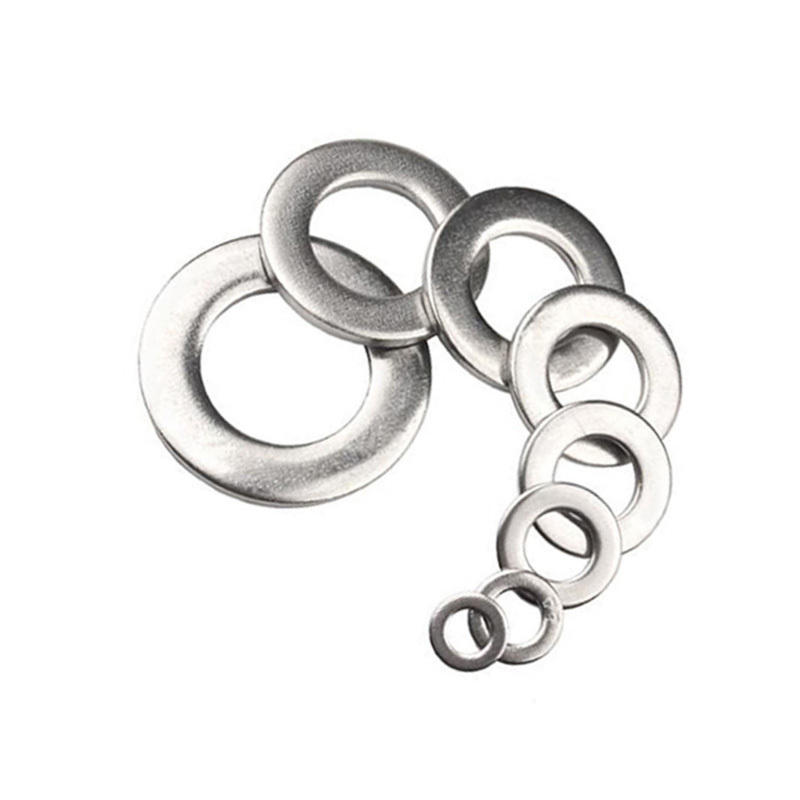
Why You Need Flat Washer DIN125 for Your Industrial Applications
Introduction: Understanding Flat Washers in Industrial Applications
In the realm of industrial equipment and components, the importance of effective fastening cannot be overstated. Among the myriad of fastening solutions available, **Flat Washer DIN125** stands out as a crucial component that enhances the reliability and performanc
Nov 12,2025
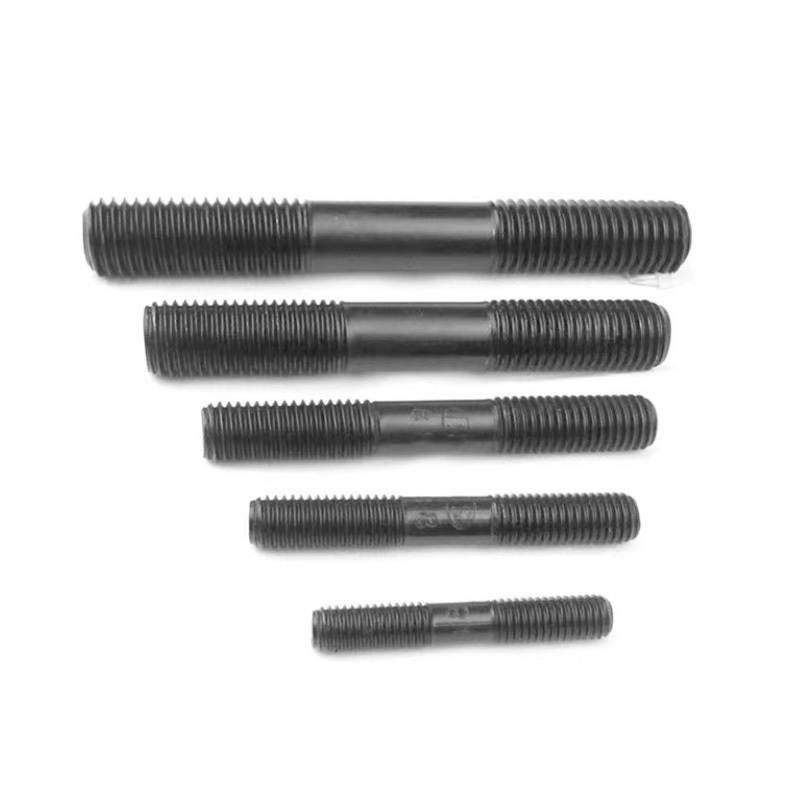
Understanding Stud Bolt DIN 938: A Comprehensive Guide for Industrial Applications
---
Stud Bolts are essential components in various industrial applications, and the DIN 938 specification outlines specific standards for these fasteners. A Stud Bolt is essentially a long bolt with no head, featuring threads on both ends. It is used in conjunction with nuts to create a secure joint between two or more parts. The DIN 938 standard specifies dimensions, mechanical properties, and to
Nov 09,2025