
How Flange Nuts Enhance the Performance of Connectors
Feb 04,2024
Table of Contents
1. Introduction
2. Understanding the Role of Connectors
3. The Importance of Flange Nuts in Connector Systems
4. Benefits of Using Flange Nuts for Enhanced Performance
5. Types of Flange Nuts for Different Applications
6. Factors to Consider When Choosing Flange Nuts
7. Installation and Maintenance Tips for Flange Nuts
8. Frequently Asked Questions (FAQs)
8.1. What are flange
Table of Contents
1. Introduction
2. Understanding the Role of Connectors
3. The Importance of Flange Nuts in Connector Systems
4. Benefits of Using Flange Nuts for Enhanced Performance
5. Types of Flange Nuts for Different Applications
6. Factors to Consider When Choosing Flange Nuts
7. Installation and Maintenance Tips for Flange Nuts
8. Frequently Asked Questions (FAQs)
8.1. What are flange nuts?
8.2. How do flange nuts enhance connector performance?
8.3. Are flange nuts compatible with all types of connectors?
8.4. Can I reuse flange nuts?
8.5. Are there any alternative fastening solutions to flange nuts?
9. Conclusion
1. Introduction
Welcome to our comprehensive guide on how flange nuts can significantly enhance the performance of connectors. In this article, we will explore the important role flange nuts play in connector systems and delve into the various benefits they offer. Whether you are a professional in the industrial equipment and components industry or simply interested in understanding how flange nuts can optimize connector performance, this article will provide you with valuable insights.
2. Understanding the Role of Connectors
Connectors are vital components in various industrial applications that require the secure connection of two or more parts. They ensure the transmission of signals, power, or data between these parts. Connectors must maintain a strong and reliable connection to guarantee optimal performance and prevent any disruptions or failures.
3. The Importance of Flange Nuts in Connector Systems
Flange nuts are specialized fasteners that are used to secure connectors firmly in place. Unlike regular nuts, flange nuts feature a wide, flat base (flange) that provides additional support and stability to the connection. This unique design helps prevent loosening, vibration, and eventual disconnection of the connectors, even in demanding and high-stress environments.
4. Benefits of Using Flange Nuts for Enhanced Performance
4.1 Enhanced Stability: The flange nuts' wide base distributes the load evenly across the connected components, reducing the risk of loosening or detachment, especially in applications exposed to vibrations or constant movement.
4.2 Improved Reliability: Flange nuts ensure a secure and stable connection, minimizing the chances of signal interference or power disruptions. This reliability is crucial in critical applications where downtime or failure can have severe consequences.
4.3 Enhanced Safety: By preventing connectors from loosening or disconnecting, flange nuts help maintain a safe working environment by reducing the chances of accidents or equipment damage caused by loose connections.
4.4 Longevity and Cost-Effectiveness: Flange nuts' ability to maintain a secure connection over extended periods minimizes the need for frequent repairs or replacements, resulting in cost savings for the user.
5. Types of Flange Nuts for Different Applications
There are various types of flange nuts available, each designed to meet specific application requirements. Some common types include serrated flange nuts, prevailing torque flange nuts, and non-serrated flange nuts. It is essential to choose the appropriate flange nut based on factors such as the connector type, environmental conditions, and the level of vibration or stress the application will experience.
6. Factors to Consider When Choosing Flange Nuts
6.1 Connector Compatibility: Ensure that the flange nuts are compatible with the connectors you are using. Check their thread size, pitch, and material compatibility to guarantee a proper fit.
6.2 Environmental Conditions: Consider the environmental conditions the connectors will be exposed to, such as temperature extremes, moisture, or corrosive substances. Choose flange nuts made from materials that can withstand these conditions without compromising performance.
6.3 Vibration and Stress Levels: Assess the level of vibration and stress the connectors will endure. Select flange nuts with appropriate locking features, such as serrated or prevailing torque flange nuts, to prevent loosening under these conditions.
7. Installation and Maintenance Tips for Flange Nuts
7.1 Clean the Surfaces: Before installation, ensure that the surfaces where the flange nuts will be attached are clean and free from debris or contaminants. This will help achieve a secure and tight connection.
7.2 Apply Proper Torque: Use a torque wrench to apply the recommended torque to the flange nuts. Over-tightening can damage the connectors, while under-tightening can result in loose connections.
7.3 Regular Inspections: Periodically inspect the flange nuts and connectors for any signs of wear, damage, or loosening. Replace or tighten them as necessary to maintain optimal performance.
8. Frequently Asked Questions (FAQs)
8.1. What are flange nuts?
Flange nuts are specialized fasteners with a wide, flat base (flange) that provides added stability and support to secure connectors firmly in place.
8.2. How do flange nuts enhance connector performance?
Flange nuts distribute the load evenly, prevent loosening, and ensure a secure and stable connection, boosting connector performance and reliability.
8.3. Are flange nuts compatible with all types of connectors?
Flange nuts come in various types and sizes to accommodate different connector types. Ensure compatibility by checking thread size, pitch, and material compatibility.
8.4. Can I reuse flange nuts?
It is generally not recommended to reuse flange nuts as they may have undergone deformation or wear during previous installations, compromising their performance.
8.5. Are there any alternative fastening solutions to flange nuts?
While flange nuts are highly effective, alternative fastening solutions like lock washers or adhesive thread-locking compounds can also enhance connector performance, depending on the application.
9. Conclusion
In conclusion, flange nuts play a crucial role in enhancing the performance of connectors in various industrial applications. Their unique design provides stability, reliability, and safety by preventing loosening and disconnection. By choosing the right flange nuts and following proper installation and maintenance practices, you can optimize connector performance and ensure seamless operations. Invest in high-quality flange nuts to unlock the full potential of your connector systems and achieve optimal results.
1. Introduction
2. Understanding the Role of Connectors
3. The Importance of Flange Nuts in Connector Systems
4. Benefits of Using Flange Nuts for Enhanced Performance
5. Types of Flange Nuts for Different Applications
6. Factors to Consider When Choosing Flange Nuts
7. Installation and Maintenance Tips for Flange Nuts
8. Frequently Asked Questions (FAQs)
8.1. What are flange nuts?
8.2. How do flange nuts enhance connector performance?
8.3. Are flange nuts compatible with all types of connectors?
8.4. Can I reuse flange nuts?
8.5. Are there any alternative fastening solutions to flange nuts?
9. Conclusion
1. Introduction
Welcome to our comprehensive guide on how flange nuts can significantly enhance the performance of connectors. In this article, we will explore the important role flange nuts play in connector systems and delve into the various benefits they offer. Whether you are a professional in the industrial equipment and components industry or simply interested in understanding how flange nuts can optimize connector performance, this article will provide you with valuable insights.
2. Understanding the Role of Connectors
Connectors are vital components in various industrial applications that require the secure connection of two or more parts. They ensure the transmission of signals, power, or data between these parts. Connectors must maintain a strong and reliable connection to guarantee optimal performance and prevent any disruptions or failures.
3. The Importance of Flange Nuts in Connector Systems
Flange nuts are specialized fasteners that are used to secure connectors firmly in place. Unlike regular nuts, flange nuts feature a wide, flat base (flange) that provides additional support and stability to the connection. This unique design helps prevent loosening, vibration, and eventual disconnection of the connectors, even in demanding and high-stress environments.
4. Benefits of Using Flange Nuts for Enhanced Performance
4.1 Enhanced Stability: The flange nuts' wide base distributes the load evenly across the connected components, reducing the risk of loosening or detachment, especially in applications exposed to vibrations or constant movement.
4.2 Improved Reliability: Flange nuts ensure a secure and stable connection, minimizing the chances of signal interference or power disruptions. This reliability is crucial in critical applications where downtime or failure can have severe consequences.
4.3 Enhanced Safety: By preventing connectors from loosening or disconnecting, flange nuts help maintain a safe working environment by reducing the chances of accidents or equipment damage caused by loose connections.
4.4 Longevity and Cost-Effectiveness: Flange nuts' ability to maintain a secure connection over extended periods minimizes the need for frequent repairs or replacements, resulting in cost savings for the user.
5. Types of Flange Nuts for Different Applications
There are various types of flange nuts available, each designed to meet specific application requirements. Some common types include serrated flange nuts, prevailing torque flange nuts, and non-serrated flange nuts. It is essential to choose the appropriate flange nut based on factors such as the connector type, environmental conditions, and the level of vibration or stress the application will experience.
6. Factors to Consider When Choosing Flange Nuts
6.1 Connector Compatibility: Ensure that the flange nuts are compatible with the connectors you are using. Check their thread size, pitch, and material compatibility to guarantee a proper fit.
6.2 Environmental Conditions: Consider the environmental conditions the connectors will be exposed to, such as temperature extremes, moisture, or corrosive substances. Choose flange nuts made from materials that can withstand these conditions without compromising performance.
6.3 Vibration and Stress Levels: Assess the level of vibration and stress the connectors will endure. Select flange nuts with appropriate locking features, such as serrated or prevailing torque flange nuts, to prevent loosening under these conditions.
7. Installation and Maintenance Tips for Flange Nuts
7.1 Clean the Surfaces: Before installation, ensure that the surfaces where the flange nuts will be attached are clean and free from debris or contaminants. This will help achieve a secure and tight connection.
7.2 Apply Proper Torque: Use a torque wrench to apply the recommended torque to the flange nuts. Over-tightening can damage the connectors, while under-tightening can result in loose connections.
7.3 Regular Inspections: Periodically inspect the flange nuts and connectors for any signs of wear, damage, or loosening. Replace or tighten them as necessary to maintain optimal performance.
8. Frequently Asked Questions (FAQs)
8.1. What are flange nuts?
Flange nuts are specialized fasteners with a wide, flat base (flange) that provides added stability and support to secure connectors firmly in place.
8.2. How do flange nuts enhance connector performance?
Flange nuts distribute the load evenly, prevent loosening, and ensure a secure and stable connection, boosting connector performance and reliability.
8.3. Are flange nuts compatible with all types of connectors?
Flange nuts come in various types and sizes to accommodate different connector types. Ensure compatibility by checking thread size, pitch, and material compatibility.
8.4. Can I reuse flange nuts?
It is generally not recommended to reuse flange nuts as they may have undergone deformation or wear during previous installations, compromising their performance.
8.5. Are there any alternative fastening solutions to flange nuts?
While flange nuts are highly effective, alternative fastening solutions like lock washers or adhesive thread-locking compounds can also enhance connector performance, depending on the application.
9. Conclusion
In conclusion, flange nuts play a crucial role in enhancing the performance of connectors in various industrial applications. Their unique design provides stability, reliability, and safety by preventing loosening and disconnection. By choosing the right flange nuts and following proper installation and maintenance practices, you can optimize connector performance and ensure seamless operations. Invest in high-quality flange nuts to unlock the full potential of your connector systems and achieve optimal results.
flange nut
RELEVANT INFORMATION

Understanding the Importance and Applications of Spring Washer DIN127 in Industrial Fastening
In the industrial equipment and components sector, the Spring Washer DIN127 stands out as a crucial fastening element. Its distinctive design serves to maintain tension and prevent loosening of screws and bolts under various conditions. This article explores the characteristics and applications of the Spring Washer DIN127, providing valuable insights for professionals in the field.
The Spring Wash
Nov 15,2025
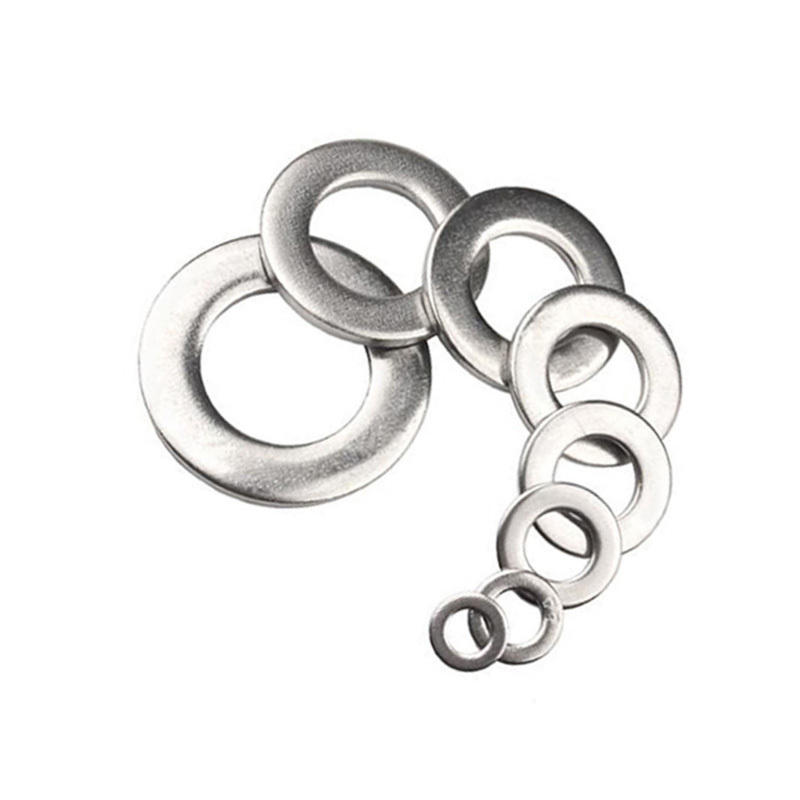
Why You Need Flat Washer DIN125 for Your Industrial Applications
Why You Need Flat Washer DIN125 for Your Industrial Applications
Introduction: Understanding Flat Washers in Industrial Applications
In the realm of industrial equipment and components, the importance of effective fastening cannot be overstated. Among the myriad of fastening solutions available, **Flat Washer DIN125** stands out as a crucial component that enhances the reliability and performanc
Nov 12,2025
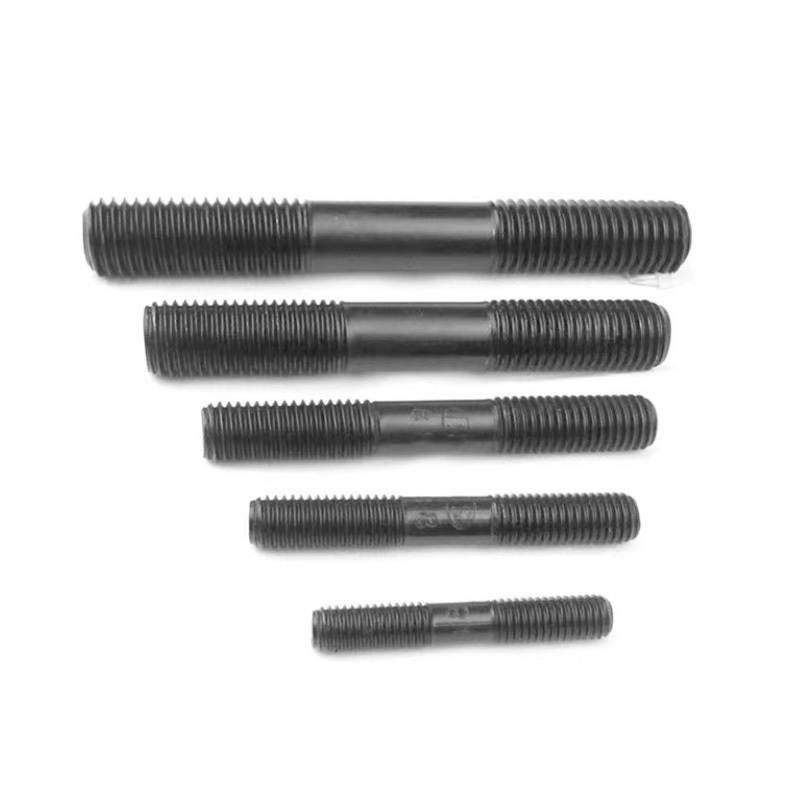
Understanding Stud Bolt DIN 938: A Comprehensive Guide for Industrial Applications
---
Stud Bolts are essential components in various industrial applications, and the DIN 938 specification outlines specific standards for these fasteners. A Stud Bolt is essentially a long bolt with no head, featuring threads on both ends. It is used in conjunction with nuts to create a secure joint between two or more parts. The DIN 938 standard specifies dimensions, mechanical properties, and to
Nov 09,2025

Mainly produces bolts, nuts, washers, full threaded studs, anchor bolts, screws with DIN, BSW, ANIS, MS.


CONTACT US
Yongnian District, Handan City S318 Hebei Province rural credit Cooperative (Yuehua Road) southeast about 170 meters

Mobile website


