Understanding Hex Nuts: Essential Components for Industrial Equipment
Jan 30,2024
Hex nuts play a crucial role in the world of industrial equipment and components, specifically in the realm of fasteners and connectors. As a professional in this field, it's essential to have a comprehensive understanding of hex nuts and their applications. In this article, we will delve into the key aspects of hex nuts, their functions, types, and advantages.
Hex nuts, also known as hexagon nuts
Hex nuts play a crucial role in the world of industrial equipment and components, specifically in the realm of fasteners and connectors. As a professional in this field, it's essential to have a comprehensive understanding of hex nuts and their applications. In this article, we will delve into the key aspects of hex nuts, their functions, types, and advantages.
Hex nuts, also known as hexagon nuts or hexagonal nuts, are six-sided nuts with internal threading. They are primarily used to secure or fasten various components together, providing a reliable and robust connection. The hexagonal shape allows for easy gripping and tightening using a wrench or spanner, ensuring a secure fit.
These versatile fasteners find applications in a wide range of industries, including construction, automotive, machinery, and more. In the industrial equipment and components sector, hex nuts are commonly employed in the assembly of machinery, engines, pipelines, and other vital systems.
When it comes to choosing the right hex nut for a particular application, it's crucial to consider factors such as size, material, and coating. Hex nuts are available in multiple sizes, ranging from small to large diameters, to accommodate different bolt sizes. The most commonly used materials for hex nuts include stainless steel, carbon steel, and brass, each offering its own set of benefits in terms of strength and corrosion resistance.
Additionally, various coatings can be applied to hex nuts to enhance their performance in specific environments. Some common coatings include zinc plating, hot-dip galvanization, and black oxide coating. These coatings provide protection against rust, corrosion, and wear, ensuring the longevity and reliability of the fastening system.
Furthermore, hex nuts come in different types, each serving a specific purpose. The most prevalent types include standard hex nuts, nylon insert lock nuts, and prevailing torque lock nuts. Standard hex nuts are the most basic type and are suitable for general applications. Nylon insert lock nuts, also known as nyloc nuts, feature a nylon insert that provides resistance to loosening caused by vibration. Prevailing torque lock nuts, such as the popular hex flange nut, incorporate a built-in locking mechanism to prevent unwanted rotation.
In conclusion, hex nuts are vital components in the field of industrial equipment and components. Their ability to securely fasten and connect various parts ensures the stability and functionality of essential systems. By understanding the functions, types, and advantages of hex nuts, professionals in this industry can make informed decisions when it comes to selecting the appropriate fasteners for their specific applications.
Hex nuts, also known as hexagon nuts or hexagonal nuts, are six-sided nuts with internal threading. They are primarily used to secure or fasten various components together, providing a reliable and robust connection. The hexagonal shape allows for easy gripping and tightening using a wrench or spanner, ensuring a secure fit.
These versatile fasteners find applications in a wide range of industries, including construction, automotive, machinery, and more. In the industrial equipment and components sector, hex nuts are commonly employed in the assembly of machinery, engines, pipelines, and other vital systems.
When it comes to choosing the right hex nut for a particular application, it's crucial to consider factors such as size, material, and coating. Hex nuts are available in multiple sizes, ranging from small to large diameters, to accommodate different bolt sizes. The most commonly used materials for hex nuts include stainless steel, carbon steel, and brass, each offering its own set of benefits in terms of strength and corrosion resistance.
Additionally, various coatings can be applied to hex nuts to enhance their performance in specific environments. Some common coatings include zinc plating, hot-dip galvanization, and black oxide coating. These coatings provide protection against rust, corrosion, and wear, ensuring the longevity and reliability of the fastening system.
Furthermore, hex nuts come in different types, each serving a specific purpose. The most prevalent types include standard hex nuts, nylon insert lock nuts, and prevailing torque lock nuts. Standard hex nuts are the most basic type and are suitable for general applications. Nylon insert lock nuts, also known as nyloc nuts, feature a nylon insert that provides resistance to loosening caused by vibration. Prevailing torque lock nuts, such as the popular hex flange nut, incorporate a built-in locking mechanism to prevent unwanted rotation.
In conclusion, hex nuts are vital components in the field of industrial equipment and components. Their ability to securely fasten and connect various parts ensures the stability and functionality of essential systems. By understanding the functions, types, and advantages of hex nuts, professionals in this industry can make informed decisions when it comes to selecting the appropriate fasteners for their specific applications.
hex nut
RELEVANT INFORMATION
Understanding the Importance and Applications of Spring Washer DIN127 in Industrial Fastening
In the industrial equipment and components sector, the Spring Washer DIN127 stands out as a crucial fastening element. Its distinctive design serves to maintain tension and prevent loosening of screws and bolts under various conditions. This article explores the characteristics and applications of the Spring Washer DIN127, providing valuable insights for professionals in the field.
The Spring Wash
Nov 15,2025
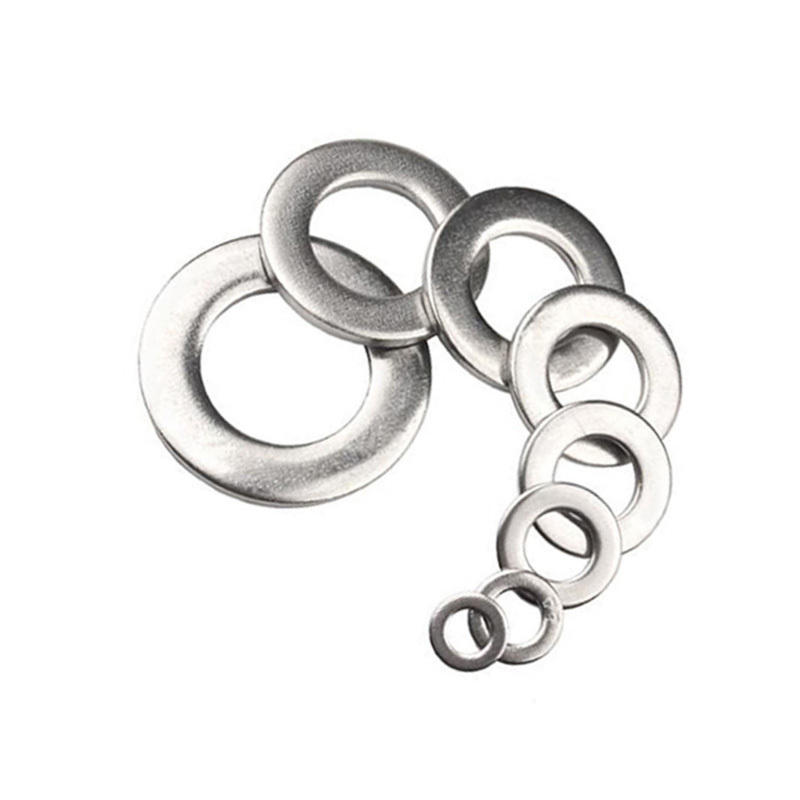
Why You Need Flat Washer DIN125 for Your Industrial Applications
Introduction: Understanding Flat Washers in Industrial Applications
In the realm of industrial equipment and components, the importance of effective fastening cannot be overstated. Among the myriad of fastening solutions available, **Flat Washer DIN125** stands out as a crucial component that enhances the reliability and performanc
Nov 12,2025
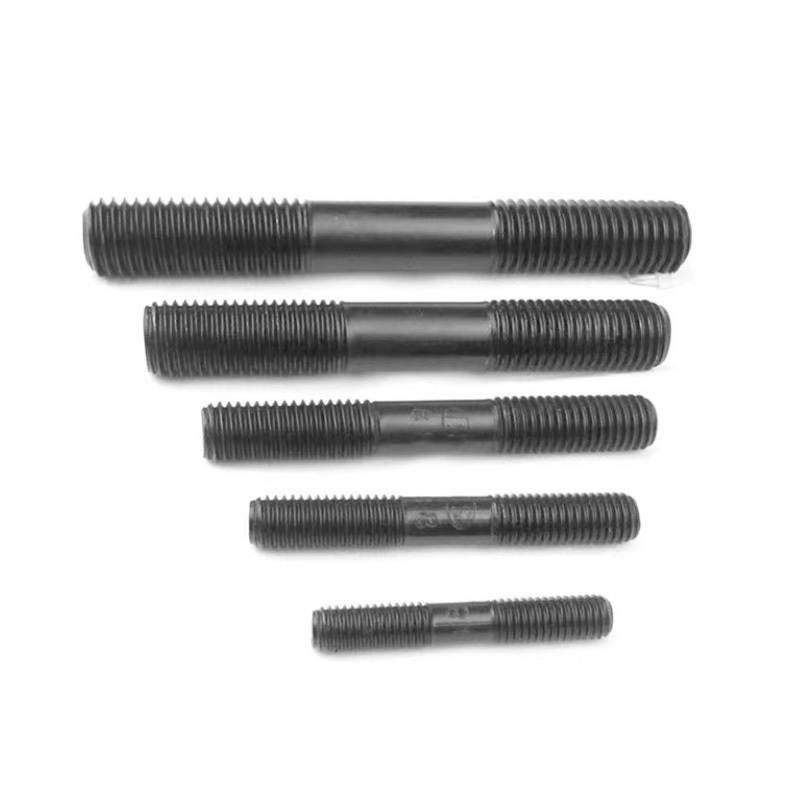
Understanding Stud Bolt DIN 938: A Comprehensive Guide for Industrial Applications
---
Stud Bolts are essential components in various industrial applications, and the DIN 938 specification outlines specific standards for these fasteners. A Stud Bolt is essentially a long bolt with no head, featuring threads on both ends. It is used in conjunction with nuts to create a secure joint between two or more parts. The DIN 938 standard specifies dimensions, mechanical properties, and to
Nov 09,2025