
Eye Bolts: Revolutionizing Safety and Efficiency in Industrial Applications
Jan 23,2024
1. Introduction: Understanding the Crucial Role of Eye Bolts in Industrial Applications
2. The Evolution of Eye Bolts: From Basic Hardware to Essential Safety Tools
3. Unveiling the Different Types of Eye Bolts and Their Specific Applications
3.1 Regular Eye Bolts: Versatile and Reliable
3.2 Shoulder Eye Bolts: A Solution for Angular Load Distribution
3.3 Screw Eye Bolts: Ideal for Hanging and Light Load Applications
3.4 Machinery Eye Bolts: Ensuring Secure Attachment in Heavy Machinery
4. Enhancing Safety with Eye Bolts: Preemptive Measures and Accident Prevention
4.1 Load Capacity and Working Load Limit: Determining Safety Factors
4.2 Proper Installation Techniques: Ensuring Optimal Performance
4.3 Regular Inspections and Maintenance: Sustaining Safety Standards
5. Eye Bolts in Lifting Operations: Streamlining Industrial Processes
5.1 Hoisting and Rigging Applications: Ensuring Safe Lifting Practices
5.2 Eye Bolts in Material Handling: Efficient Handling and Transportation
5.3 Overhead Lifting: Minimizing Risks and Maximizing Productivity
6. Industrial Applications of Eye Bolts: A Sector-Wide Necessity
6.1 Construction Industry: Critical Support in Building and Structural Projects
6.2 Manufacturing Sector: Streamlining Production Processes
6.3 Transportation and Shipping: Securing Cargo and Equipment
6.4 Utilities and Energy Sector: Safeguarding Infrastructure and Operations
7. Frequently Asked Questions (FAQs) About Eye Bolts
7.1 How do I determine the appropriate eye bolt size for my application?
7.2 Can eye bolts be used in outdoor environments?
7.3 What are the load capacity and working load limit of eye bolts?
7.4 Are there any specific safety regulations for using eye bolts?
7.5 Can eye bolts be reused after a heavy load application?
8. Conclusion: The Invaluable Role of Eye Bolts in Industrial Safety and Efficiency
1. Introduction: Understanding the Crucial Role of Eye Bolts in Industrial Applications
In the fast-paced and demanding industrial sector, safety and efficiency are paramount. Eye bolts have emerged as an indispensable component, serving a crucial role in enhancing workplace safety and streamlining operations. These versatile fixtures offer a multitude of applications, from lifting heavy loads to securing equipment, making them an essential tool in various industries.
2. The Evolution of Eye Bolts: From Basic Hardware to Essential Safety Tools
Eye bolts have come a long way from their humble origins as basic hardware. Initially used for their practicality in lifting and hanging applications, their design and functionality have evolved to meet the stringent safety standards of modern industrial practices. Today, eye bolts are engineered with precision, incorporating advanced features that prioritize both safety and efficiency.
3. Unveiling the Different Types of Eye Bolts and Their Specific Applications
Eye bolts come in various types, each tailored to specific applications and load requirements. Understanding the different types and their unique characteristics is crucial for selecting the right eye bolt for a given task.
3.1 Regular Eye Bolts: Versatile and Reliable
Regular eye bolts are the most common type and serve as the go-to solution for everyday lifting and securing needs. Their versatility, combined with their reliable performance, makes them indispensable across a range of industries.
3.2 Shoulder Eye Bolts: A Solution for Angular Load Distribution
Shoulder eye bolts offer the advantage of angular load distribution, making them ideal for applications where loads need to be evenly distributed across multiple points. This type of eye bolt minimizes stress concentration, reducing the risk of accidents and equipment damage.
3.3 Screw Eye Bolts: Ideal for Hanging and Light Load Applications
Screw eye bolts are designed specifically for hanging applications and light load requirements. Their threaded shaft provides secure attachment, making them suitable for tasks such as suspending signage, decorative elements, or lightweight equipment.
3.4 Machinery Eye Bolts: Ensuring Secure Attachment in Heavy Machinery
Machinery eye bolts are engineered to withstand the rigorous demands of heavy machinery. These robust fixtures offer reliable attachment points for securing equipment, ensuring stability and safety in industrial settings.
4. Enhancing Safety with Eye Bolts: Preemptive Measures and Accident Prevention
Safety is of utmost importance in the industrial sector, and eye bolts play a vital role in accident prevention. Implementing preemptive measures and adhering to safety regulations are imperative to ensure a safe working environment.
4.1 Load Capacity and Working Load Limit: Determining Safety Factors
Understanding the load capacity and working load limit of eye bolts is essential in preventing accidents caused by overloading. Manufacturers provide specifications for each eye bolt, detailing the maximum load it can safely handle. Adhering to these specifications is vital for maintaining safety standards.
4.2 Proper Installation Techniques: Ensuring Optimal Performance
Proper installation techniques are crucial to maximize the performance of eye bolts. This includes ensuring correct torque, appropriate thread engagement, and appropriate preloading to prevent loosening and failure. Following manufacturer guidelines and industry best practices is essential for safe and effective installation.
4.3 Regular Inspections and Maintenance: Sustaining Safety Standards
Regular inspections and maintenance are essential to sustain safety standards in the industrial workplace. Checking for signs of wear, damage, or corrosion is crucial to detect potential hazards. It is important to promptly address any issues and replace damaged eye bolts to ensure continued safety.
5. Eye Bolts in Lifting Operations: Streamlining Industrial Processes
Lifting heavy loads is a common task in the industrial sector, and eye bolts play a vital role in ensuring safe and efficient lifting operations. From hoisting and rigging applications to material handling and overhead lifting, eye bolts streamline these processes and minimize risks.
5.1 Hoisting and Rigging Applications: Ensuring Safe Lifting Practices
Eye bolts are integral in hoisting and rigging applications, facilitating safe and efficient lifting practices. Whether it's suspending heavy equipment, securing loads for transportation, or supporting structural elements during construction, eye bolts provide the necessary strength and stability.
5.2 Eye Bolts in Material Handling: Efficient Handling and Transportation
Efficient material handling is essential in industrial environments, and eye bolts contribute to seamless handling and transportation. By providing secure attachment points for lifting and moving heavy loads, eye bolts enhance productivity and minimize the risk of accidents.
5.3 Overhead Lifting: Minimizing Risks and Maximizing Productivity
Overhead lifting is a critical operation in the industrial sector, and eye bolts play a crucial role in ensuring safety and efficiency. From lifting machinery components to suspending heavy fixtures, eye bolts provide reliable support, minimizing risks and maximizing productivity.
6. Industrial Applications of Eye Bolts: A Sector-Wide Necessity
Eye bolts find extensive use across various industries, offering indispensable support and safety measures. Let's explore some key sectors where eye bolts are a necessity.
6.1 Construction Industry: Critical Support in Building and Structural Projects
In the construction industry, eye bolts are critical for ensuring safety during building and structural projects. Whether it's lifting heavy construction materials, securing scaffolding, or supporting temporary structures, eye bolts provide the necessary strength and reliability.
6.2 Manufacturing Sector: Streamlining Production Processes
The manufacturing sector relies heavily on eye bolts to streamline production processes. From lifting machinery components to securing equipment on assembly lines, eye bolts play an integral role in increasing efficiency and maintaining safety.
6.3 Transportation and Shipping: Securing Cargo and Equipment
Transportation and shipping operations require secure attachment points to prevent cargo or equipment from shifting during transit. Eye bolts offer a reliable solution for securing loads in trucks, containers, and other means of transportation, ensuring safe and damage-free delivery.
6.4 Utilities and Energy Sector: Safeguarding Infrastructure and Operations
The utilities and energy sector heavily relies on eye bolts for safeguarding infrastructure and operations. From securing high-voltage equipment to anchoring transmission towers, eye bolts provide the necessary stability and safety measures in this critical sector.
7. Frequently Asked Questions (FAQs) About Eye Bolts
7.1 How do I determine the appropriate eye bolt size for my application?
Selecting the appropriate eye bolt size depends on several factors, including the expected load capacity, working load limit, and application requirements. Consulting industry standards, manufacturer guidelines, and engineering professionals will help determine the most suitable eye bolt size for your specific application.
7.2 Can eye bolts be used in outdoor environments?
Yes, many eye bolts are designed to withstand outdoor environments. However, it is essential to consider factors such as corrosion resistance, load capacity, and working load limit when selecting eye bolts for outdoor applications. Stainless steel or galvanized eye bolts are often preferred for their durability and resistance to environmental elements.
7.3 What are the load capacity and working load limit of eye bolts?
The load capacity and working load limit of eye bolts vary depending on their design, size, and material. It is crucial to refer to manufacturer specifications and industry standards to determine the load capacity and working load limit suited for your specific eye bolt.
7.4 Are there any specific safety regulations for using eye bolts?
Yes, there are safety regulations and guidelines that govern the use of eye bolts in various industries. These regulations encompass factors such as load capacity, installation procedures, periodic inspections, and maintenance requirements. Adhering to these regulations is vital to ensure a safe working environment.
7.5 Can eye bolts be reused after a heavy load application?
The reuse of eye bolts after a heavy load application depends on various factors, including the eye bolt's condition, load history, and manufacturer recommendations. If an eye bolt shows signs of wear, deformation, or damage, it is advisable to replace it rather than reuse it to maintain safety standards.
8. Conclusion: The Invaluable Role of Eye Bolts in Industrial Safety and Efficiency
Eye bolts have revolutionized safety protocols and enhanced efficiency in industrial applications. Their versatility, load-bearing capabilities, and wide-ranging applications make them an essential component in various industries. From preventing accidents to streamlining lifting operations, eye bolts play a vital role in ensuring a safe and productive working environment. By adhering to safety regulations, performing regular inspections, and selecting the right eye bolt for each task, industries can maximize safety, efficiency, and overall operational success.
eye bolts
RELEVANT INFORMATION

Understanding the Importance and Applications of Spring Washer DIN127 in Industrial Fastening
Nov 15,2025
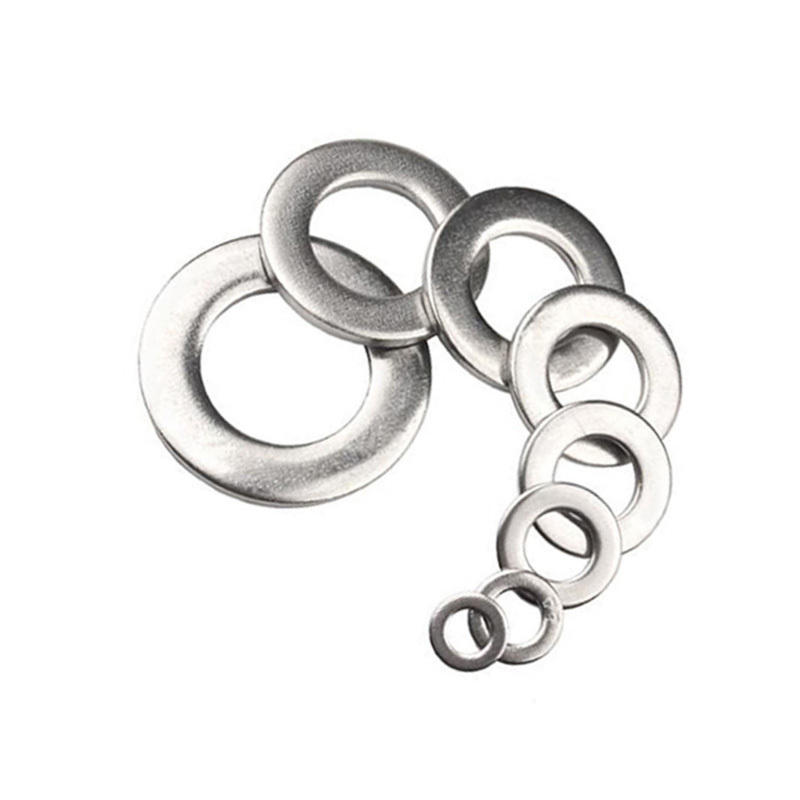
Why You Need Flat Washer DIN125 for Your Industrial Applications
Nov 12,2025
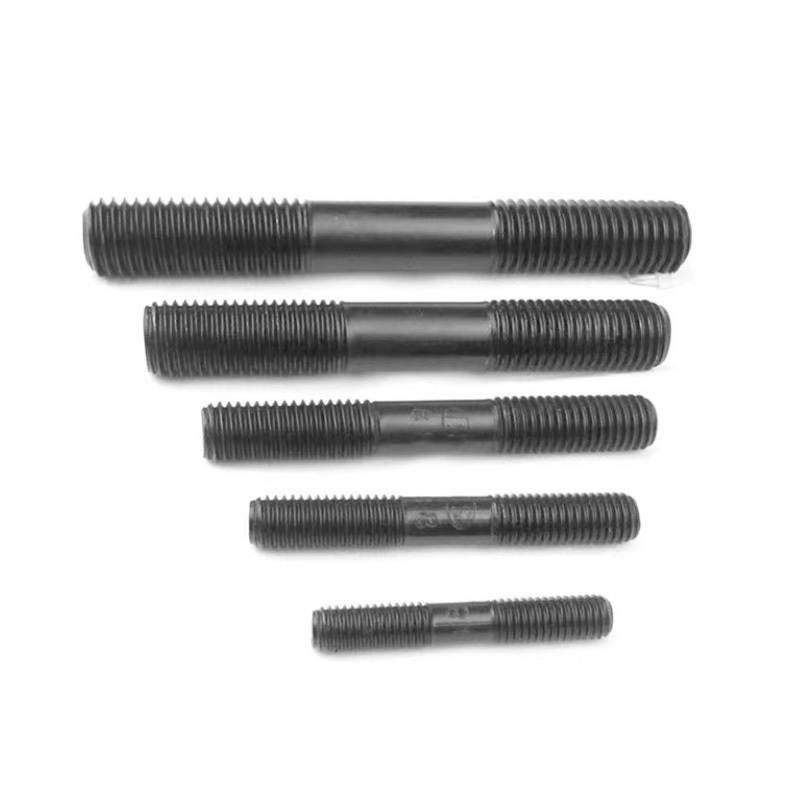
Understanding Stud Bolt DIN 938: A Comprehensive Guide for Industrial Applications
Nov 09,2025

Mainly produces bolts, nuts, washers, full threaded studs, anchor bolts, screws with DIN, BSW, ANIS, MS.


CONTACT US
Yongnian District, Handan City S318 Hebei Province rural credit Cooperative (Yuehua Road) southeast about 170 meters

Mobile website


