
How to Install and Maintain Wing Bolts: Best Practices
Jan 21,2024
Table of Contents:
1. Introduction
1.1 Why are Wing Bolts Important?
1.2 Understanding Wing Bolt Components
2. Pre-Installation Preparation
2.1 Selecting the Right Wing Bolt for Your Application
2.2 Inspecting Wing Bolts for Defects or Damage
2.3 Gathering the Necessary Tools and Equipment
3. Step-by-Step Wing Bolt Installation Guide
3.1 Ensuring Proper Alignment and Fit
3.2 A
Table of Contents:
1. Introduction
1.1 Why are Wing Bolts Important?
1.2 Understanding Wing Bolt Components
2. Pre-Installation Preparation
2.1 Selecting the Right Wing Bolt for Your Application
2.2 Inspecting Wing Bolts for Defects or Damage
2.3 Gathering the Necessary Tools and Equipment
3. Step-by-Step Wing Bolt Installation Guide
3.1 Ensuring Proper Alignment and Fit
3.2 Applying the Correct Amount of Torque
3.3 Checking for Secure Fastening
4. Wing Bolt Maintenance Best Practices
4.1 Regular Inspection and Lubrication
4.2 Addressing Loose or Damaged Wing Bolts
4.3 Replacing Worn-out or Corroded Wing Bolts
5. Common Mistakes to Avoid
5.1 Over-tightening or Under-tightening Wing Bolts
5.2 Neglecting Regular Maintenance
5.3 Using Incorrect Tools or Techniques
6. Frequently Asked Questions (FAQs)
6.1 What are the different types of wing bolts available?
6.2 How often should wing bolts be inspected and lubricated?
6.3 Can wing bolts be reused after removal?
6.4 What are some signs of wing bolt failure?
6.5 Are there any specific safety precautions to follow during wing bolt installation?
7. Conclusion
1. Introduction
1.1 Why are Wing Bolts Important?
Wing bolts play a critical role in the industrial equipment and components industry. These specialized bolts are designed with wing-like extensions that make them easy to install and remove manually, without the need for tools. Wing bolts provide secure fastening in a wide range of applications, ensuring stability, reliability, and ease of maintenance.
1.2 Understanding Wing Bolt Components
Before discussing the installation and maintenance best practices, it's essential to familiarize yourself with the components of a wing bolt. A typical wing bolt consists of a threaded shaft, wings or knobs on each side for manual gripping, and a flat or rounded head for secure tightening. Understanding these components will help you follow the installation and maintenance procedures more effectively.
2. Pre-Installation Preparation
2.1 Selecting the Right Wing Bolt for Your Application
Choosing the appropriate wing bolt for your specific application is crucial for optimal performance. Consider factors such as bolt material, size, thread type, and load capacity. Consult the manufacturer's guidelines or seek expert advice to ensure you select the right wing bolt to meet your requirements.
2.2 Inspecting Wing Bolts for Defects or Damage
Before installation, carefully inspect each wing bolt for any defects or damage. Look for signs of corrosion, bending, or wear. Damaged wing bolts should not be used, as they can compromise the integrity of the fastening system. Replace any defective or damaged wing bolts with new ones to ensure a secure installation.
2.3 Gathering the Necessary Tools and Equipment
Ensure you have all the necessary tools and equipment readily available before starting the installation process. This may include a torque wrench, lubricants, cleaning materials, and any other specific tools recommended by the manufacturer. Having everything prepared will minimize interruptions and streamline the installation process.
3. Step-by-Step Wing Bolt Installation Guide
Follow these step-by-step instructions to ensure a proper wing bolt installation:
3.1 Ensuring Proper Alignment and Fit
Before inserting the wing bolt, align the holes or components that need to be fastened. Ensure the wing bolt fits properly and can be easily threaded without obstruction. This step is crucial for achieving a secure and stable connection.
3.2 Applying the Correct Amount of Torque
Using a torque wrench, apply the recommended amount of torque to tighten the wing bolt. Be cautious not to over-tighten, as it may lead to bolt failure or damage the components. Under-tightening, on the other hand, can result in loose connections and decreased stability.
3.3 Checking for Secure Fastening
Once the wing bolt is tightened, double-check the fastening to ensure it is secure. Gently tug or shake the components to verify that there is no movement or play. If any looseness is detected, re-tighten the wing bolt to achieve a secure fastening.
4. Wing Bolt Maintenance Best Practices
Proper maintenance is essential for the longevity and optimal performance of wing bolts. Follow these best practices for wing bolt maintenance:
4.1 Regular Inspection and Lubrication
Periodically inspect all wing bolts for signs of wear, corrosion, or damage. Lubricate the wing bolts with a suitable lubricant to prevent friction and ensure smooth operation. Consult the manufacturer's recommendations for the appropriate lubricant to use.
4.2 Addressing Loose or Damaged Wing Bolts
If any wing bolts become loose or damaged, address the issue promptly. Tighten loose wing bolts to the recommended torque or replace damaged ones with new ones. Ignoring loose or damaged wing bolts can lead to equipment malfunction, potential accidents, and compromised stability.
4.3 Replacing Worn-out or Corroded Wing Bolts
Over time, wing bolts may become worn-out or corroded due to environmental factors or extensive use. Regularly inspect wing bolts for signs of wear, such as thread damage or excessive corrosion. Replace worn-out or corroded wing bolts to maintain the integrity of the fastening system.
5. Common Mistakes to Avoid
To ensure successful wing bolt installation and maintenance, avoid the following common mistakes:
5.1 Over-tightening or Under-tightening Wing Bolts
Striking the right balance when tightening wing bolts is crucial. Over-tightening can lead to bolt failure, damaged components, or thread stripping. Under-tightening can result in loose connections, decreased stability, and potential equipment malfunction. Follow the recommended torque specifications provided by the manufacturer.
5.2 Neglecting Regular Maintenance
Regular maintenance is vital for the optimal performance and longevity of wing bolts. Neglecting routine inspections, lubrication, and addressing issues promptly can lead to premature wear, compromised stability, and safety hazards. Incorporate scheduled maintenance tasks into your routine to ensure reliable performance.
5.3 Using Incorrect Tools or Techniques
Using incorrect tools or techniques during wing bolt installation or maintenance can be detrimental. Always use the recommended tools and follow proper procedures as specified by the manufacturer. Using improper tools or techniques may result in damaged wing bolts, compromised connections, or even accidents.
6. Frequently Asked Questions (FAQs)
6.1 What are the different types of wing bolts available?
There are various types of wing bolts available, including stainless steel wing bolts, brass wing bolts, nylon wing bolts, and more. The selection depends on the specific application requirements, material compatibility, and environmental factors.
6.2 How often should wing bolts be inspected and lubricated?
Regular inspection and lubrication of wing bolts should be performed according to a maintenance schedule. Depending on the operating conditions, it is recommended to inspect and lubricate wing bolts every few months or as specified by the equipment manufacturer.
6.3 Can wing bolts be reused after removal?
In most cases, wing bolts can be reused after removal. However, it is essential to inspect them for signs of wear, damage, or corrosion before reuse. If any defects are detected, it is advisable to replace them with new wing bolts to ensure reliable performance.
6.4 What are some signs of wing bolt failure?
Signs of wing bolt failure may include looseness, excessive play, damaged threads, or visible corrosion. If any of these signs are observed, immediate action should be taken to address the issue and prevent further complications.
6.5 Are there any specific safety precautions to follow during wing bolt installation?
When installing wing bolts, it is essential to follow general safety precautions, such as wearing appropriate personal protective equipment (PPE) and ensuring the stability of the working area. Additionally, avoid using excessive force or applying torque in awkward positions to prevent accidents and injuries.
7. Conclusion
Proper installation and maintenance of wing bolts are crucial for ensuring stable and reliable connections in industrial equipment and components. By following the best practices outlined in this guide, you can optimize the installation process, prevent common mistakes, and extend the lifespan of your wing bolts. Remember to regularly inspect, lubricate, and address any issues promptly to maintain the integrity of your fastening system. With these practices in place, you can enjoy improved safety, efficiency, and performance in your operations.
1. Introduction
1.1 Why are Wing Bolts Important?
1.2 Understanding Wing Bolt Components
2. Pre-Installation Preparation
2.1 Selecting the Right Wing Bolt for Your Application
2.2 Inspecting Wing Bolts for Defects or Damage
2.3 Gathering the Necessary Tools and Equipment
3. Step-by-Step Wing Bolt Installation Guide
3.1 Ensuring Proper Alignment and Fit
3.2 Applying the Correct Amount of Torque
3.3 Checking for Secure Fastening
4. Wing Bolt Maintenance Best Practices
4.1 Regular Inspection and Lubrication
4.2 Addressing Loose or Damaged Wing Bolts
4.3 Replacing Worn-out or Corroded Wing Bolts
5. Common Mistakes to Avoid
5.1 Over-tightening or Under-tightening Wing Bolts
5.2 Neglecting Regular Maintenance
5.3 Using Incorrect Tools or Techniques
6. Frequently Asked Questions (FAQs)
6.1 What are the different types of wing bolts available?
6.2 How often should wing bolts be inspected and lubricated?
6.3 Can wing bolts be reused after removal?
6.4 What are some signs of wing bolt failure?
6.5 Are there any specific safety precautions to follow during wing bolt installation?
7. Conclusion
1. Introduction
1.1 Why are Wing Bolts Important?
Wing bolts play a critical role in the industrial equipment and components industry. These specialized bolts are designed with wing-like extensions that make them easy to install and remove manually, without the need for tools. Wing bolts provide secure fastening in a wide range of applications, ensuring stability, reliability, and ease of maintenance.
1.2 Understanding Wing Bolt Components
Before discussing the installation and maintenance best practices, it's essential to familiarize yourself with the components of a wing bolt. A typical wing bolt consists of a threaded shaft, wings or knobs on each side for manual gripping, and a flat or rounded head for secure tightening. Understanding these components will help you follow the installation and maintenance procedures more effectively.
2. Pre-Installation Preparation
2.1 Selecting the Right Wing Bolt for Your Application
Choosing the appropriate wing bolt for your specific application is crucial for optimal performance. Consider factors such as bolt material, size, thread type, and load capacity. Consult the manufacturer's guidelines or seek expert advice to ensure you select the right wing bolt to meet your requirements.
2.2 Inspecting Wing Bolts for Defects or Damage
Before installation, carefully inspect each wing bolt for any defects or damage. Look for signs of corrosion, bending, or wear. Damaged wing bolts should not be used, as they can compromise the integrity of the fastening system. Replace any defective or damaged wing bolts with new ones to ensure a secure installation.
2.3 Gathering the Necessary Tools and Equipment
Ensure you have all the necessary tools and equipment readily available before starting the installation process. This may include a torque wrench, lubricants, cleaning materials, and any other specific tools recommended by the manufacturer. Having everything prepared will minimize interruptions and streamline the installation process.
3. Step-by-Step Wing Bolt Installation Guide
Follow these step-by-step instructions to ensure a proper wing bolt installation:
3.1 Ensuring Proper Alignment and Fit
Before inserting the wing bolt, align the holes or components that need to be fastened. Ensure the wing bolt fits properly and can be easily threaded without obstruction. This step is crucial for achieving a secure and stable connection.
3.2 Applying the Correct Amount of Torque
Using a torque wrench, apply the recommended amount of torque to tighten the wing bolt. Be cautious not to over-tighten, as it may lead to bolt failure or damage the components. Under-tightening, on the other hand, can result in loose connections and decreased stability.
3.3 Checking for Secure Fastening
Once the wing bolt is tightened, double-check the fastening to ensure it is secure. Gently tug or shake the components to verify that there is no movement or play. If any looseness is detected, re-tighten the wing bolt to achieve a secure fastening.
4. Wing Bolt Maintenance Best Practices
Proper maintenance is essential for the longevity and optimal performance of wing bolts. Follow these best practices for wing bolt maintenance:
4.1 Regular Inspection and Lubrication
Periodically inspect all wing bolts for signs of wear, corrosion, or damage. Lubricate the wing bolts with a suitable lubricant to prevent friction and ensure smooth operation. Consult the manufacturer's recommendations for the appropriate lubricant to use.
4.2 Addressing Loose or Damaged Wing Bolts
If any wing bolts become loose or damaged, address the issue promptly. Tighten loose wing bolts to the recommended torque or replace damaged ones with new ones. Ignoring loose or damaged wing bolts can lead to equipment malfunction, potential accidents, and compromised stability.
4.3 Replacing Worn-out or Corroded Wing Bolts
Over time, wing bolts may become worn-out or corroded due to environmental factors or extensive use. Regularly inspect wing bolts for signs of wear, such as thread damage or excessive corrosion. Replace worn-out or corroded wing bolts to maintain the integrity of the fastening system.
5. Common Mistakes to Avoid
To ensure successful wing bolt installation and maintenance, avoid the following common mistakes:
5.1 Over-tightening or Under-tightening Wing Bolts
Striking the right balance when tightening wing bolts is crucial. Over-tightening can lead to bolt failure, damaged components, or thread stripping. Under-tightening can result in loose connections, decreased stability, and potential equipment malfunction. Follow the recommended torque specifications provided by the manufacturer.
5.2 Neglecting Regular Maintenance
Regular maintenance is vital for the optimal performance and longevity of wing bolts. Neglecting routine inspections, lubrication, and addressing issues promptly can lead to premature wear, compromised stability, and safety hazards. Incorporate scheduled maintenance tasks into your routine to ensure reliable performance.
5.3 Using Incorrect Tools or Techniques
Using incorrect tools or techniques during wing bolt installation or maintenance can be detrimental. Always use the recommended tools and follow proper procedures as specified by the manufacturer. Using improper tools or techniques may result in damaged wing bolts, compromised connections, or even accidents.
6. Frequently Asked Questions (FAQs)
6.1 What are the different types of wing bolts available?
There are various types of wing bolts available, including stainless steel wing bolts, brass wing bolts, nylon wing bolts, and more. The selection depends on the specific application requirements, material compatibility, and environmental factors.
6.2 How often should wing bolts be inspected and lubricated?
Regular inspection and lubrication of wing bolts should be performed according to a maintenance schedule. Depending on the operating conditions, it is recommended to inspect and lubricate wing bolts every few months or as specified by the equipment manufacturer.
6.3 Can wing bolts be reused after removal?
In most cases, wing bolts can be reused after removal. However, it is essential to inspect them for signs of wear, damage, or corrosion before reuse. If any defects are detected, it is advisable to replace them with new wing bolts to ensure reliable performance.
6.4 What are some signs of wing bolt failure?
Signs of wing bolt failure may include looseness, excessive play, damaged threads, or visible corrosion. If any of these signs are observed, immediate action should be taken to address the issue and prevent further complications.
6.5 Are there any specific safety precautions to follow during wing bolt installation?
When installing wing bolts, it is essential to follow general safety precautions, such as wearing appropriate personal protective equipment (PPE) and ensuring the stability of the working area. Additionally, avoid using excessive force or applying torque in awkward positions to prevent accidents and injuries.
7. Conclusion
Proper installation and maintenance of wing bolts are crucial for ensuring stable and reliable connections in industrial equipment and components. By following the best practices outlined in this guide, you can optimize the installation process, prevent common mistakes, and extend the lifespan of your wing bolts. Remember to regularly inspect, lubricate, and address any issues promptly to maintain the integrity of your fastening system. With these practices in place, you can enjoy improved safety, efficiency, and performance in your operations.
wing bolts
RELEVANT INFORMATION

Understanding the Importance and Applications of Spring Washer DIN127 in Industrial Fastening
In the industrial equipment and components sector, the Spring Washer DIN127 stands out as a crucial fastening element. Its distinctive design serves to maintain tension and prevent loosening of screws and bolts under various conditions. This article explores the characteristics and applications of the Spring Washer DIN127, providing valuable insights for professionals in the field.
The Spring Wash
Nov 15,2025
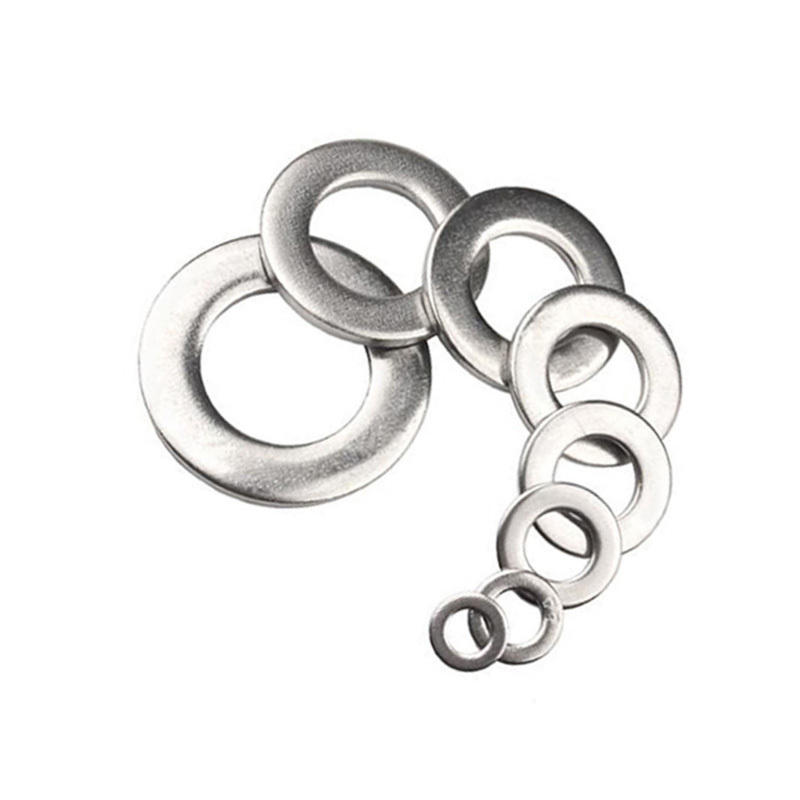
Why You Need Flat Washer DIN125 for Your Industrial Applications
Why You Need Flat Washer DIN125 for Your Industrial Applications
Introduction: Understanding Flat Washers in Industrial Applications
In the realm of industrial equipment and components, the importance of effective fastening cannot be overstated. Among the myriad of fastening solutions available, **Flat Washer DIN125** stands out as a crucial component that enhances the reliability and performanc
Nov 12,2025
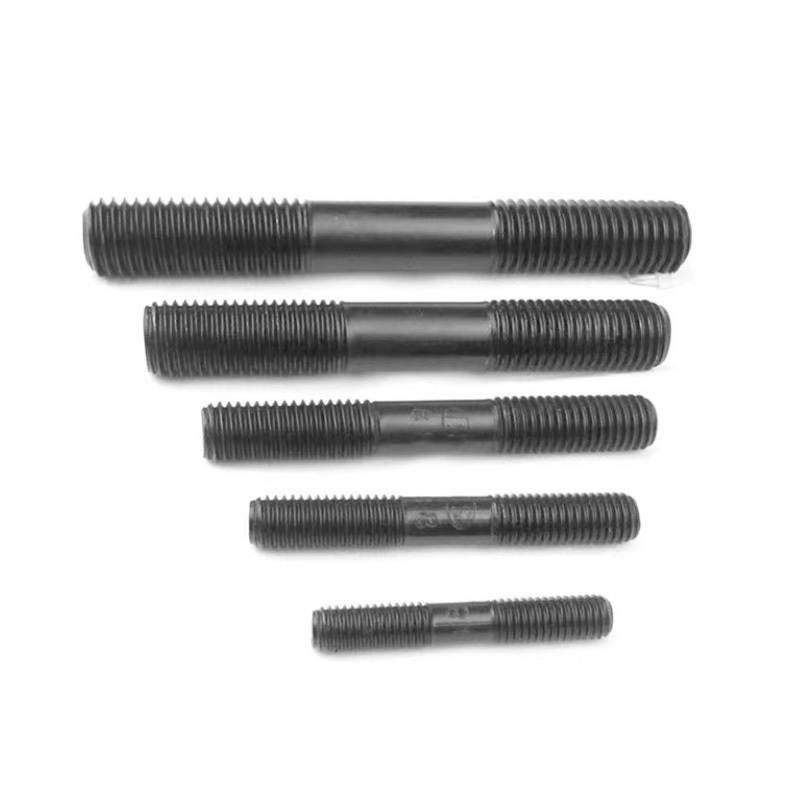
Understanding Stud Bolt DIN 938: A Comprehensive Guide for Industrial Applications
---
Stud Bolts are essential components in various industrial applications, and the DIN 938 specification outlines specific standards for these fasteners. A Stud Bolt is essentially a long bolt with no head, featuring threads on both ends. It is used in conjunction with nuts to create a secure joint between two or more parts. The DIN 938 standard specifies dimensions, mechanical properties, and to
Nov 09,2025

Mainly produces bolts, nuts, washers, full threaded studs, anchor bolts, screws with DIN, BSW, ANIS, MS.


CONTACT US
Yongnian District, Handan City S318 Hebei Province rural credit Cooperative (Yuehua Road) southeast about 170 meters

Mobile website


