
Exploring Different Types of Wing Bolts and Their Applications: A Comprehensive Guide
Jan 19,2024
Table of Contents:
1. Introduction to Wing Bolts
2. Advantages of Wing Bolts
3. Different Types of Wing Bolts
3.1 Wing Thumb Screw Bolts
3.2 Wing Eye Bolts
3.3 Wing Hex Bolts
3.4 Wing Tension Bolts
3.5 Wing Toggle Bolts
3.6 Wing Expansion Bolts
3.7 Wing Roof Bolts
3.8 Wing Carriage Bolts
4. Understanding Wing Bolt Materials
5. Applications of Wing Bolts
5.1 Automotive Industry
5.2 Aerospace Industry
5.3 Construction Industry
5.4 Marine Industry
5.5 Machinery and Equipment Industry
6. Frequently Asked Questions (FAQs)
6.1 What are the advantages of using wing bolts?
6.2 Can wing bolts be used in outdoor applications?
6.3 Are wing bolts suitable for heavy-duty applications?
6.4 How do I select the right wing bolt for my project?
6.5 What are the common materials used for wing bolts?
7. Conclusion
1. Introduction to Wing Bolts
Wing bolts, as the name suggests, are fasteners that feature wings or oversized heads. These specialized bolts provide a convenient and efficient way to secure and release components without the need for additional tools. This article aims to explore the various types of wing bolts available in the market and delve into their applications across different industries.
2. Advantages of Wing Bolts
Wing bolts offer several advantages, making them a popular choice in many applications. Their key benefits include easy hand tightening and loosening, eliminating the need for tools. The ergonomic design of wing bolts provides excellent grip and leverage, ensuring efficient installation and removal. Additionally, the wings on these bolts help prevent over-tightening and ease maintenance tasks.
3. Different Types of Wing Bolts
There are several types of wing bolts, each tailored to specific requirements. Let's explore the most common ones:
3.1 Wing Thumb Screw Bolts
Wing thumb screw bolts feature a flat, circular head with protruding wings on opposite sides. These bolts are ideal for applications that require quick and frequent adjustments, allowing for easy hand tightening and loosening.
3.2 Wing Eye Bolts
Wing eye bolts have a threaded loop on one end and wings on the other. They are commonly used for lifting and securing heavy loads, providing a convenient way to attach ropes or chains without the need for specialized tools.
3.3 Wing Hex Bolts
Wing hex bolts have a hexagonal head with wings extending from opposite sides. They offer a combination of the convenience of wing bolts and the strength of hex bolts. These versatile bolts are widely used in various applications that require a secure and easily adjustable fastening solution.
3.4 Wing Tension Bolts
Wing tension bolts are designed for applications that require high tension and clamping force. With wings on the head, they allow for easy hand tightening, ensuring a tight and secure connection.
3.5 Wing Toggle Bolts
Wing toggle bolts are specialized fasteners used to secure objects to hollow walls or ceilings. They consist of a threaded bolt with wings that fold for insertion into the wall and expand once inside, providing a secure anchor point.
3.6 Wing Expansion Bolts
Wing expansion bolts are commonly used in masonry applications. These bolts feature wings that expand upon insertion, creating a secure and reliable anchor within the material.
3.7 Wing Roof Bolts
Wing roof bolts are specifically designed for roofing applications, providing a secure fastening solution for various roofing materials. The wings on the head make installation and adjustment hassle-free.
3.8 Wing Carriage Bolts
Wing carriage bolts combine the convenience of wing bolts with the stability and strength of carriage bolts. These bolts are widely used in woodworking and construction applications that require a secure and easily adjustable connection.
4. Understanding Wing Bolt Materials
Wing bolts are available in various materials to suit different applications. Common materials include stainless steel, carbon steel, aluminum, and brass. Each material offers specific advantages in terms of strength, corrosion resistance, and compatibility with different environments.
5. Applications of Wing Bolts
Wing bolts find applications in a wide range of industries due to their versatility and ease of use. Some notable industries where wing bolts are commonly utilized include:
5.1 Automotive Industry
Wing bolts are used in automotive applications for securing interior components, such as door panels, seats, and dashboard fixtures. Their easy hand-tightening feature allows for quick assembly and disassembly during maintenance or repairs.
5.2 Aerospace Industry
In the aerospace industry, wing bolts play a crucial role in securing various components, including aircraft panels, interior fittings, and avionics equipment. Their ergonomic design and quick-release functionality facilitate efficient assembly and maintenance operations.
5.3 Construction Industry
The construction industry extensively utilizes wing bolts for various applications, such as scaffolding, formwork, and temporary structures. The ease of installation and removal provided by wing bolts significantly enhances efficiency on construction sites.
5.4 Marine Industry
In the marine industry, wing bolts are used to secure components in boats, ships, and yachts. Their corrosion-resistant materials ensure reliability in harsh saltwater environments, while the wings enable easy adjustments and maintenance.
5.5 Machinery and Equipment Industry
Wing bolts find applications in machinery and equipment where frequent adjustments or component replacements are required. Their tool-free installation and removal make them ideal for securing guards, panels, and other movable parts.
6. Frequently Asked Questions (FAQs)
6.1 What are the advantages of using wing bolts?
Wing bolts offer several advantages, including easy hand tightening, quick adjustments, and tool-free installation and removal. They provide convenience, efficiency, and versatility in various applications.
6.2 Can wing bolts be used in outdoor applications?
Yes, wing bolts can be used in outdoor applications. However, it is essential to select wing bolts made from materials resistant to corrosion, such as stainless steel or galvanized steel, to ensure long-lasting performance.
6.3 Are wing bolts suitable for heavy-duty applications?
Yes, wing bolts can be used in heavy-duty applications. However, it is crucial to select wing bolts with appropriate strength and durability based on the specific requirements of the application.
6.4 How do I select the right wing bolt for my project?
To select the right wing bolt, consider factors such as the application requirements, load capacity, material compatibility, and environmental conditions. Consult with industry experts or refer to manufacturer guidelines for precise recommendations.
6.5 What are the common materials used for wing bolts?
Common materials used for wing bolts include stainless steel, carbon steel, aluminum, and brass. Each material offers specific advantages in terms of strength, corrosion resistance, and compatibility with different environments.
7. Conclusion
In conclusion, exploring the different types of wing bolts and their applications provides valuable insights into selecting the right fastening solution for your projects. From thumb screws to expansion bolts, wing bolts offer convenience, efficiency, and versatility in various industries. By understanding their advantages, materials, and applications, you can make informed decisions to ensure secure and reliable connections.
wing bolts
RELEVANT INFORMATION

Understanding the Importance and Applications of Spring Washer DIN127 in Industrial Fastening
Nov 15,2025
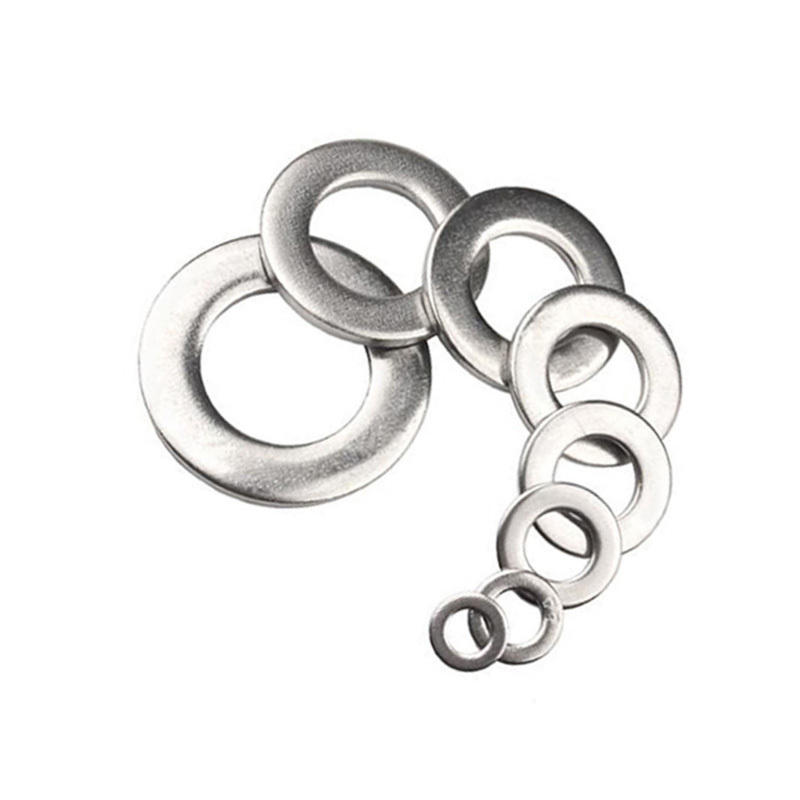
Why You Need Flat Washer DIN125 for Your Industrial Applications
Nov 12,2025
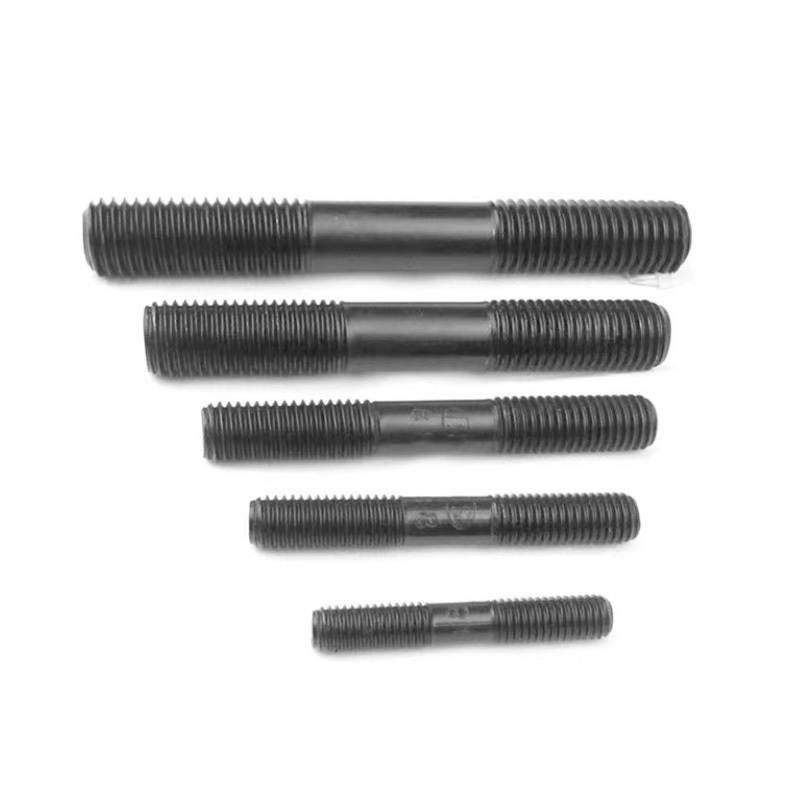
Understanding Stud Bolt DIN 938: A Comprehensive Guide for Industrial Applications
Nov 09,2025

Mainly produces bolts, nuts, washers, full threaded studs, anchor bolts, screws with DIN, BSW, ANIS, MS.


CONTACT US
Yongnian District, Handan City S318 Hebei Province rural credit Cooperative (Yuehua Road) southeast about 170 meters

Mobile website


