
Choosing the Right Material for Allen Bolts DIN912: A Comprehensive Guide
Dec 03,2023
1. Introduction
2. Understanding Allen Bolts DIN912
3. Factors to Consider When Choosing Material for Allen Bolts DIN912
4. Stainless Steel Allen Bolts DIN912
5. Carbon Steel Allen Bolts DIN912
6. Alloy Steel Allen Bolts DIN912
7. Titanium Allen Bolts DIN912
8. Brass Allen Bolts DIN912
9. Aluminum Allen Bolts DIN912
10. FAQs (Frequently Asked Questions)
10.1. Can I use stainless steel Allen Bolts DIN912 in corrosive environments?
10.2. Are carbon steel Allen Bolts DIN912 suitable for high-temperature applications?
10.3. What are the advantages of alloy steel Allen Bolts DIN912?
10.4. When should I consider using titanium Allen Bolts DIN912?
10.5. Are brass Allen Bolts DIN912 resistant to saltwater corrosion?
11. Conclusion
Introduction
Choosing the right material for Allen Bolts DIN912 is crucial for ensuring the longevity and performance of your industrial equipment and components. With various materials available in the market, it is vital to understand the factors that impact the selection process. This comprehensive guide aims to provide you with the knowledge and insights necessary to make informed decisions.
Understanding Allen Bolts DIN912
Allen Bolts DIN912, also known as socket head cap screws, are widely used in industrial applications due to their versatility and strength. These bolts feature a hexagonal socket drive, which allows for easy installation and tightening. The DIN912 standard ensures consistent dimensions and specifications, making it essential to choose the right material for optimal results.
Factors to Consider When Choosing Material for Allen Bolts DIN912
When selecting the material for Allen Bolts DIN912, several factors should be taken into account. These include:
1. Strength requirements
2. Corrosion resistance
3. Temperature tolerance
4. Chemical compatibility
5. Cost considerations
Stainless Steel Allen Bolts DIN912
Stainless steel Allen Bolts DIN912 are renowned for their exceptional corrosion resistance properties. They are suitable for a wide range of applications, including those exposed to harsh environments or chemicals. Stainless steel bolts offer excellent strength and durability, making them a popular choice in various industries.
Carbon Steel Allen Bolts DIN912
Carbon steel Allen Bolts DIN912 are known for their high strength and affordability. They are suitable for many applications that do not require resistance to corrosion. However, it is crucial to protect carbon steel bolts from moisture and corrosive elements to prevent rusting.
Alloy Steel Allen Bolts DIN912
Alloy steel Allen Bolts DIN912 combine the strength of carbon steel with additional alloying elements. These bolts offer enhanced strength, hardness, and resistance to wear and tear. Alloy steel bolts are commonly used in demanding applications where high tensile strength is required.
Titanium Allen Bolts DIN912
Titanium Allen Bolts DIN912 are exceptionally lightweight while offering impressive strength. They are ideal for applications that require high strength-to-weight ratios, such as aerospace and medical equipment. Titanium bolts also exhibit excellent corrosion resistance, making them suitable for marine environments.
Brass Allen Bolts DIN912
Brass Allen Bolts DIN912 are valued for their excellent electrical conductivity and corrosion resistance. They are often used in electrical and electronic applications where a non-magnetic material is required. Brass bolts are not suitable for high-strength applications but excel in environments where conductivity is essential.
Aluminum Allen Bolts DIN912
Aluminum Allen Bolts DIN912 offer lightweight solutions without compromising on strength. They are commonly used in industries where weight reduction is crucial, such as automotive and aerospace applications. While aluminum bolts are not suitable for high-stress applications, they offer excellent corrosion resistance.
FAQs (Frequently Asked Questions)
10.1 Can I use stainless steel Allen Bolts DIN912 in corrosive environments?
Yes, stainless steel Allen Bolts DIN912 are highly resistant to corrosion and can be safely used in corrosive environments. However, it is essential to consider the specific alloy of stainless steel to ensure optimal corrosion resistance.
10.2 Are carbon steel Allen Bolts DIN912 suitable for high-temperature applications?
No, carbon steel Allen Bolts DIN912 are not recommended for high-temperature applications as they may lose their strength and structural integrity. It is advisable to choose materials like alloy steel or stainless steel for such conditions.
10.3 What are the advantages of alloy steel Allen Bolts DIN912?
Alloy steel Allen Bolts DIN912 offer superior strength, hardness, and resistance to wear and tear compared to carbon steel bolts. They are ideal for applications that require high tensile strength and durability.
10.4 When should I consider using titanium Allen Bolts DIN912?
Titanium Allen Bolts DIN912 are best suited for applications that demand high strength-to-weight ratios, excellent corrosion resistance, and non-magnetic properties. Industries such as aerospace, medical, and marine often utilize titanium bolts.
10.5 Are brass Allen Bolts DIN912 resistant to saltwater corrosion?
Yes, brass Allen Bolts DIN912 exhibit good resistance to saltwater corrosion. They are commonly used in marine applications and environments where electrical conductivity is required.
Conclusion
Choosing the right material for Allen Bolts DIN912 is essential for the performance and longevity of your industrial equipment and components. Consider factors such as strength requirements, corrosion resistance, temperature tolerance, chemical compatibility, and cost to make informed decisions. Stainless steel, carbon steel, alloy steel, titanium, brass, and aluminum offer unique advantages depending on the specific application. By understanding each material's properties, you can select the perfect material for your Allen Bolts DIN912 and optimize the success of your projects.
allen bolts din912
RELEVANT INFORMATION

Understanding the Importance and Applications of Spring Washer DIN127 in Industrial Fastening
Nov 15,2025
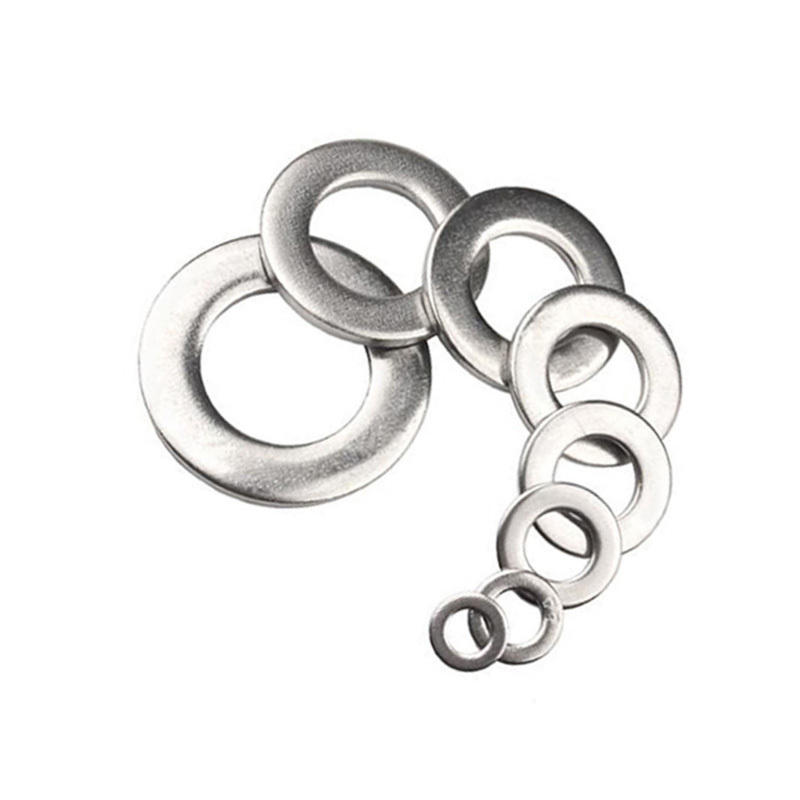
Why You Need Flat Washer DIN125 for Your Industrial Applications
Nov 12,2025
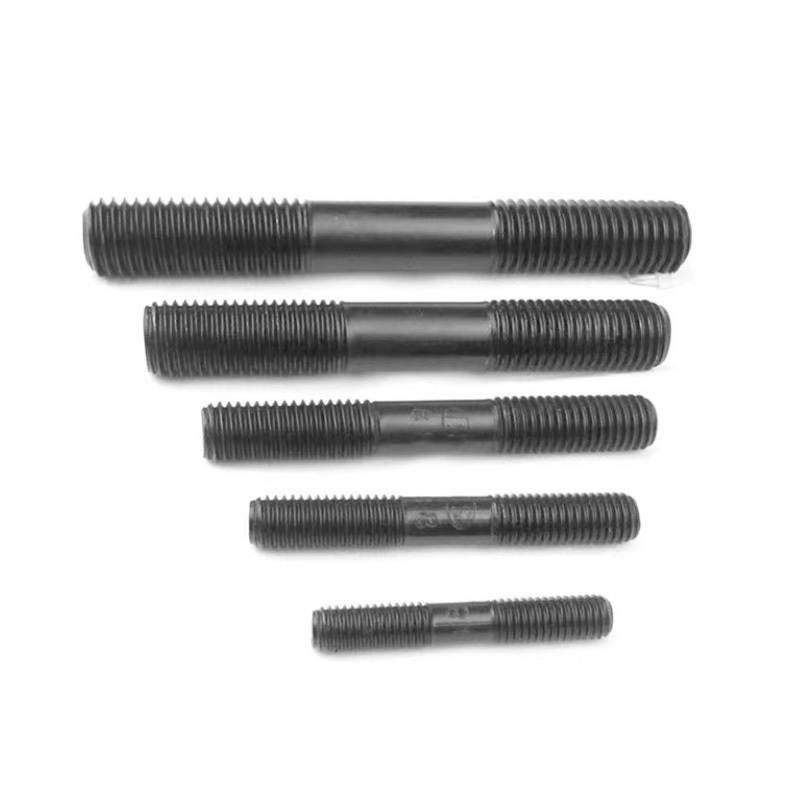
Understanding Stud Bolt DIN 938: A Comprehensive Guide for Industrial Applications
Nov 09,2025

Mainly produces bolts, nuts, washers, full threaded studs, anchor bolts, screws with DIN, BSW, ANIS, MS.


CONTACT US
Yongnian District, Handan City S318 Hebei Province rural credit Cooperative (Yuehua Road) southeast about 170 meters

Mobile website


