
Everything You Need to Know About Flange Nut DIN6923: A Comprehensive Guide for Industrial Equipment and Components
Nov 17,2023
1. Introduction: Understanding Flange Nut DIN6923
2. Features and Benefits of Flange Nut DIN6923
3. Applications of Flange Nut DIN6923
4. Installation and Usage Tips for Flange Nut DIN6923
5. Comparison with Other Fastening Components
6. FAQs (Frequently Asked Questions) about Flange Nut DIN6923
7. Conclusion
1. Introduction: Understanding Flange Nut DIN6923
Flange Nut DIN6923 is a specialized type of fastening component widely used in various industrial equipment and components. Designed with a flanged base, this nut offers unique advantages in terms of stability, security, and ease of installation. With its specific dimensions and compatibility with different bolt sizes, Flange Nut DIN6923 ensures a reliable connection in critical applications where vibration and other external forces may pose challenges.
2. Features and Benefits of Flange Nut DIN6923
Flange Nut DIN6923 boasts several notable features that set it apart from standard nuts. Its flanged base provides a larger surface area, spreading the load and reducing the risk of loosening due to vibrations. This design feature enhances the overall stability and strength of the connection, making it ideal for heavy-duty applications.
Additionally, the serrations on the bearing surface of Flange Nut DIN6923 create a locking effect when tightened, preventing self-loosening and ensuring a secure fastening. These serrations, combined with the flanged base, contribute to the nut's resistance against rotational forces, further enhancing its reliability.
The benefits of utilizing Flange Nut DIN6923 include improved joint integrity, reduced maintenance costs, increased safety, and enhanced operational efficiency. By minimizing the risk of loosening, this nut helps prevent costly downtime and potential equipment failures, making it a valuable asset in various industries.
3. Applications of Flange Nut DIN6923
Flange Nut DIN6923 finds extensive applications across a wide range of industries, including automotive, construction, machinery, and more. Its ability to withstand high levels of vibration and shock makes it particularly suitable for heavy machinery, engines, and equipment exposed to harsh conditions.
Furthermore, Flange Nut DIN6923 is commonly used in structural applications where a strong and secure connection is essential. It is often employed in conjunction with bolts, studs, or threaded rods to create robust joints that can withstand dynamic loads and external forces.
4. Installation and Usage Tips for Flange Nut DIN6923
To ensure optimal performance and reliability, proper installation and usage of Flange Nut DIN6923 are crucial. Here are a few tips to consider:
1. Clean the mating surfaces: Before installation, make sure the contact areas of the flange and the mating component are free from dirt, debris, and grease. This will promote better contact and prevent potential issues.
2. Tighten using the correct torque: It is essential to adhere to the manufacturer's recommended torque values when tightening Flange Nut DIN6923. Over-tightening can damage the nut, while under-tightening may compromise the joint integrity.
3. Inspect and replace if necessary: Regularly inspect the flange nut for signs of wear, damage, or deformation. If any issues are detected, replace the nut promptly to maintain the desired level of performance.
5. Comparison with Other Fastening Components
While Flange Nut DIN6923 offers unique advantages, it is important to understand how it compares to other fastening components in certain scenarios. Let's explore a few comparisons:
1. Flange Nut DIN6923 vs. Hex Nut: Compared to a standard hex nut, Flange Nut DIN6923 provides enhanced resistance to loosening, making it more suitable for applications where vibration is a concern. It offers better load distribution and improved joint integrity.
2. Flange Nut DIN6923 vs. Lock Nut: Unlike lock nuts, Flange Nut DIN6923 does not require additional tools or accessories for locking purposes. Its integrated serrations on the bearing surface eliminate the need for external locking mechanisms, simplifying the installation process.
3. Flange Nut DIN6923 vs. Wing Nut: While wing nuts offer quick and easy hand tightening, they may not provide the same level of stability and security as Flange Nut DIN6923. Wing nuts are typically used in applications where frequent assembly and disassembly are required, while Flange Nut DIN6923 excels in long-term, high-load connections.
6. FAQs (Frequently Asked Questions) About Flange Nut DIN6923
Q: What materials are Flange Nut DIN6923 commonly made from?
Flange Nut DIN6923 is available in various materials, including carbon steel, stainless steel, and alloy steel. The choice of material depends on the specific application requirements, such as corrosion resistance, strength, or temperature tolerance.
Q: Can Flange Nut DIN6923 be used in outdoor applications?
Yes, Flange Nut DIN6923 is suitable for outdoor applications, provided the material is selected appropriately to withstand environmental factors such as moisture, temperature variations, and corrosion.
Q: Are Flange Nut DIN6923 reusable?
Yes, Flange Nut DIN6923 can be reused multiple times if it remains in good condition and meets the required performance specifications. However, it is crucial to inspect the nut before reuse and replace it if any signs of wear or damage are present.
Q: Can Flange Nut DIN6923 be used with any bolt size?
Flange Nut DIN6923 is designed to be compatible with specific bolt sizes according to DIN standards. It is important to ensure that the nut and bolt are properly matched to achieve the desired connection strength and performance.
Q: How can I prevent Flange Nut DIN6923 from loosening over time?
To prevent loosening, it is essential to torque the Flange Nut DIN6923 to the manufacturer's recommended values. Additionally, ensuring proper surface preparation, such as cleaning and removing contaminants, can contribute to a secure and long-lasting connection.
7. Conclusion
In conclusion, Flange Nut DIN6923 is a versatile and reliable fastening component widely used in the industrial equipment and components industry. Its unique design features, such as the flanged base and serrated bearing surface, provide enhanced stability, security, and resistance against self-loosening. By understanding its features, benefits, applications, and proper installation techniques, you can utilize Flange Nut DIN6923 effectively to ensure robust connections in critical industrial settings. Embrace the power of Flange Nut DIN6923 and elevate your fastening solutions to new heights of reliability and performance.
flange nut din6923
RELEVANT INFORMATION

Understanding the Importance and Applications of Spring Washer DIN127 in Industrial Fastening
Nov 15,2025
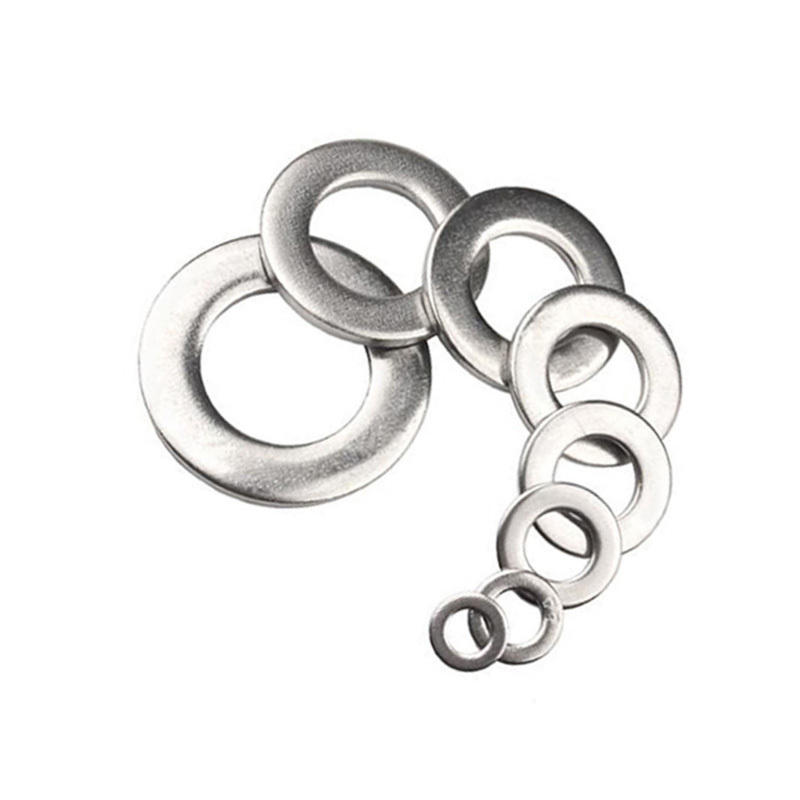
Why You Need Flat Washer DIN125 for Your Industrial Applications
Nov 12,2025
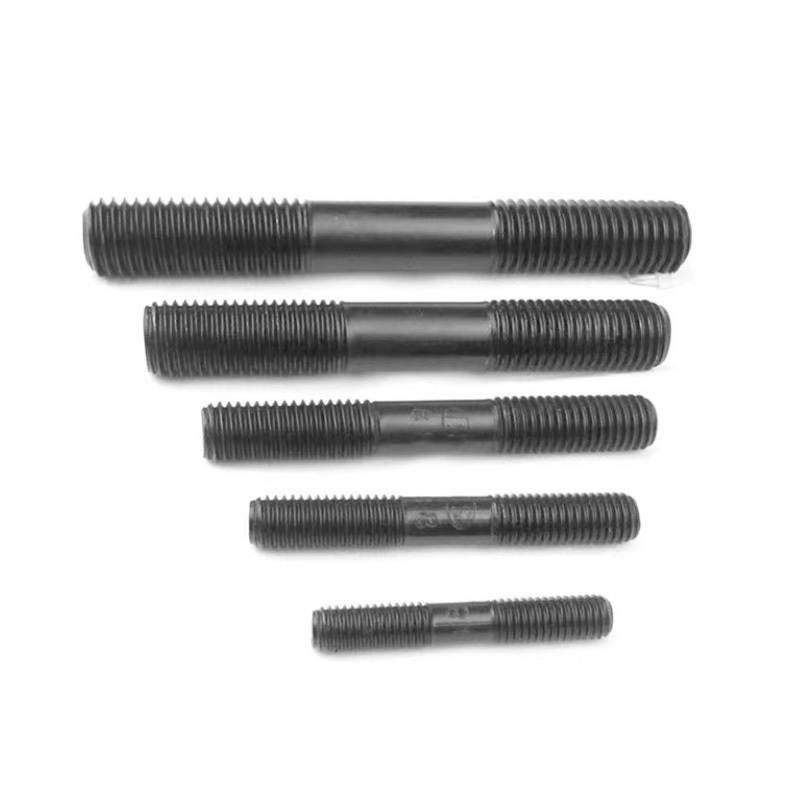
Understanding Stud Bolt DIN 938: A Comprehensive Guide for Industrial Applications
Nov 09,2025

Mainly produces bolts, nuts, washers, full threaded studs, anchor bolts, screws with DIN, BSW, ANIS, MS.


CONTACT US
Yongnian District, Handan City S318 Hebei Province rural credit Cooperative (Yuehua Road) southeast about 170 meters

Mobile website


