
Exploring the Different Materials Used for Cap Nut DIN1587
Nov 13,2023
1. Introduction
2. Understanding Cap Nut DIN1587
3. Stainless Steel Cap Nuts
4. Brass Cap Nuts
5. Aluminum Cap Nuts
6. Nylon Cap Nuts
7. Carbon Steel Cap Nuts
8. Zinc-Plated Cap Nuts
9. Other Materials Used for Cap Nut DIN1587
10. FAQs (Frequently Asked Questions)
11. Conclusion
Introduction
In the world of industrial equipment and components, Cap Nut DIN1587 plays a crucial role in fastening and securing various parts together. The choice of material for these cap nuts greatly influences their performance, durability, and compatibility with different applications. This article aims to explore the different materials used for Cap Nut DIN1587, shedding light on their unique characteristics and applications.
Understanding Cap Nut DIN1587
Cap Nut DIN1587, also known as acorn nut or domed cap nut, is a type of fastener with a closed end cap. It is designed to cover the exposed threaded end of a bolt or stud, providing a finished and aesthetically pleasing look. Cap Nut DIN1587 is widely used in machinery, automotive, construction, and various other industries.
Stainless Steel Cap Nuts
Stainless steel cap nuts are highly popular due to their exceptional corrosion resistance, making them suitable for both indoor and outdoor applications. They are known for their durability, strength, and ability to withstand extreme temperatures. Stainless steel cap nuts are commonly used in marine environments, food processing, and medical equipment.
Brass Cap Nuts
Brass cap nuts offer a unique combination of aesthetics, corrosion resistance, and conductivity. They are often used in decorative applications due to their attractive golden appearance. Brass cap nuts are commonly utilized in furniture, lighting fixtures, musical instruments, and electrical components.
Aluminum Cap Nuts
Aluminum cap nuts are lightweight yet sturdy, making them ideal for applications where weight reduction is essential. They possess excellent corrosion resistance and are often preferred in aerospace, automotive, and electronics industries. Aluminum cap nuts also find usage in outdoor equipment and electrical enclosures.
Nylon Cap Nuts
Nylon cap nuts provide insulation and vibration resistance due to their non-metallic composition. They are lightweight, cost-effective, and highly resistant to chemicals. Nylon cap nuts are commonly used in electrical installations, automotive components, and household appliances.
Carbon Steel Cap Nuts
Carbon steel cap nuts are known for their high strength and durability. They are commonly used in heavy-duty applications that require a robust fastening solution. Carbon steel cap nuts are widely utilized in construction, machinery, and automotive industries.
Zinc-Plated Cap Nuts
Zinc-plated cap nuts are carbon steel nuts coated with a layer of zinc, enhancing their corrosion resistance. They offer a cost-effective solution while providing adequate protection against rust and oxidation. Zinc-plated cap nuts find applications in various industries, including automotive, electronics, and plumbing.
Other Materials Used for Cap Nut DIN1587
Apart from the mentioned materials, Cap Nut DIN1587 can also be manufactured using materials like titanium, bronze, and copper alloys. These materials offer specific advantages depending on the application requirements, such as increased strength, conductivity, or resistance to extreme conditions.
FAQs (Frequently Asked Questions)
1. What is the purpose of using Cap Nut DIN1587?
2. Can Cap Nut DIN1587 be used in outdoor applications?
3. Are stainless steel cap nuts suitable for marine environments?
4. What industries commonly use brass cap nuts?
5. Are aluminum cap nuts suitable for electrical applications?
6. How do nylon cap nuts provide insulation?
7. Which industries commonly use carbon steel cap nuts?
8. What is the advantage of using zinc-plated cap nuts?
9. Are there any other materials used for Cap Nut DIN1587?
10. How do I choose the right material for my specific application?
Conclusion
Selecting the right material for Cap Nut DIN1587 is crucial to ensure optimal performance, durability, and compatibility with your specific application requirements. Stainless steel, brass, aluminum, nylon, carbon steel, zinc-plated, and other materials each offer unique advantages in terms of corrosion resistance, strength, aesthetics, and cost-effectiveness. By understanding the characteristics and applications of these materials, you can make informed decisions and choose the most suitable material for your industrial equipment and components needs.
cap nut din1587
RELEVANT INFORMATION

Understanding the Importance and Applications of Spring Washer DIN127 in Industrial Fastening
Nov 15,2025
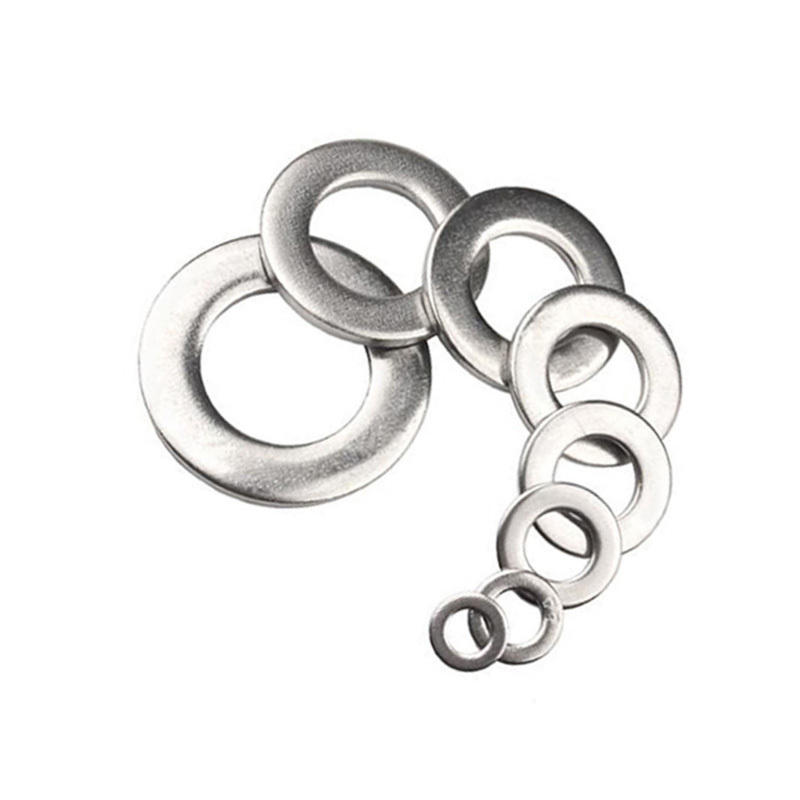
Why You Need Flat Washer DIN125 for Your Industrial Applications
Nov 12,2025
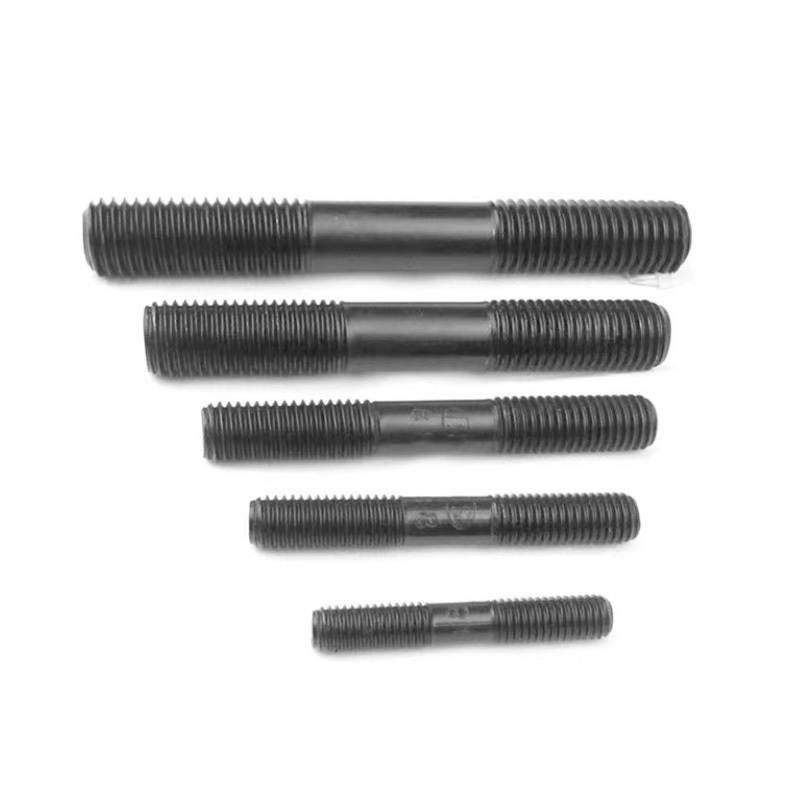
Understanding Stud Bolt DIN 938: A Comprehensive Guide for Industrial Applications
Nov 09,2025

Mainly produces bolts, nuts, washers, full threaded studs, anchor bolts, screws with DIN, BSW, ANIS, MS.


CONTACT US
Yongnian District, Handan City S318 Hebei Province rural credit Cooperative (Yuehua Road) southeast about 170 meters

Mobile website


