
The Importance of Choosing the Right Welding Nut for Industrial Applications
Oct 20,2023
1. Introduction: The Significance of Welding Nuts in Industrial Applications
2. Factors to Consider When Choosing Welding Nuts
3. Different Types of Welding Nuts and Their Applications
4. Benefits of Using the Right Welding Nut
5. How the Right Welding Nut Enhances Efficiency in Industrial Applications
6. Ensuring Safety with Proper Welding Nut Selection
7. Common FAQs about Choosing Welding Nuts
8. Conclusion
## 1. Introduction: The Significance of Welding Nuts in Industrial Applications
Choosing the right welding nut is paramount for successful welding operations in industrial applications. Welding nuts play a crucial role in securely fastening materials together, ensuring structural integrity and stability. This article explores the importance of selecting the right welding nut and its impact on various industrial processes.
## 2. Factors to Consider When Choosing Welding Nuts
When selecting a welding nut, several factors need to be taken into account to ensure compatibility and optimal performance. These factors include the nut's material, size, thread type, and load-bearing capacity. Understanding these considerations allows for a more informed decision when choosing the appropriate nut for a specific application.
## 3. Different Types of Welding Nuts and Their Applications
There are several types of welding nuts available, each designed for specific purposes. These include hex nuts, square nuts, flange nuts, and round nuts, among others. Each type has unique characteristics suited for different welding techniques and base materials. By understanding the applications and advantages of each type, welders can make the right choice for their specific needs.
## 4. Benefits of Using the Right Welding Nut
Using the correct welding nut brings numerous benefits to industrial applications. Firstly, it ensures a strong and reliable joint, reducing the risk of structural failure. Additionally, the right nut promotes better load distribution, preventing uneven stress distribution on the welded components. Moreover, choosing an appropriate nut reduces the likelihood of corrosion, enhancing the longevity of the welding connection.
## 5. How the Right Welding Nut Enhances Efficiency in Industrial Applications
By selecting the right welding nut, industrial processes can significantly improve efficiency. The proper nut minimizes the time spent on rework and repairs due to inadequate fastening. It also facilitates easier assembly, reducing assembly time and increasing overall productivity. Moreover, an optimized nut choice can enhance the consistency and quality of welding results, saving both time and resources.
## 6. Ensuring Safety with Proper Welding Nut Selection
Safety is of utmost importance in industrial welding applications. Selecting the correct welding nut plays a significant role in ensuring the safety of welders and the overall workplace. By choosing a nut with appropriate locking features and precise dimensions, the risk of loosening or failure is minimized, providing a secure and stable joint. Proper nut selection also helps prevent accidents caused by weakened welds.
## 7. Common FAQs about Choosing Welding Nuts
Q1: What is the role of the welding nut in the welding process?
A1: Welding nuts serve as fasteners to securely join materials together during welding.
Q2: Can any type of nut be used for welding purposes?
A2: No, specific types of nuts, such as welding nuts, are designed to withstand the high temperatures and stresses involved in welding processes.
Q3: How do I determine the appropriate size of the welding nut to use?
A3: The nut size should match the diameter and thread pitch of the welding stud or bolt being used.
Q4: What are some common materials used for welding nuts?
A4: Common materials for welding nuts include carbon steel, stainless steel, and brass.
Q5: Are welding nuts reusable?
A5: Some welding nuts can be reused, but it is essential to inspect them for damage or wear before reuse.
## 8. Conclusion
Choosing the right welding nut is vital for achieving successful and reliable welding connections in industrial applications. By considering factors such as material, size, and load-bearing capacity, welders can ensure optimal performance and safety. The correct nut enhances efficiency, reduces rework, and promotes overall productivity. Prioritizing the selection of the appropriate welding nut is a smart investment that leads to improved welding outcomes and long-lasting connections.
welding nut
RELEVANT INFORMATION

Understanding the Importance and Applications of Spring Washer DIN127 in Industrial Fastening
Nov 15,2025
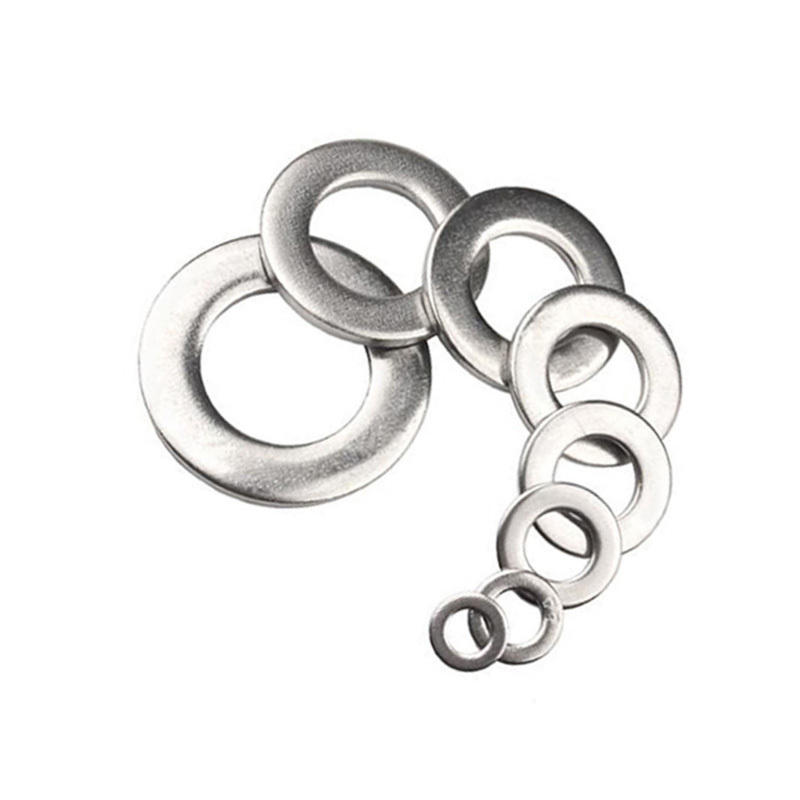
Why You Need Flat Washer DIN125 for Your Industrial Applications
Nov 12,2025
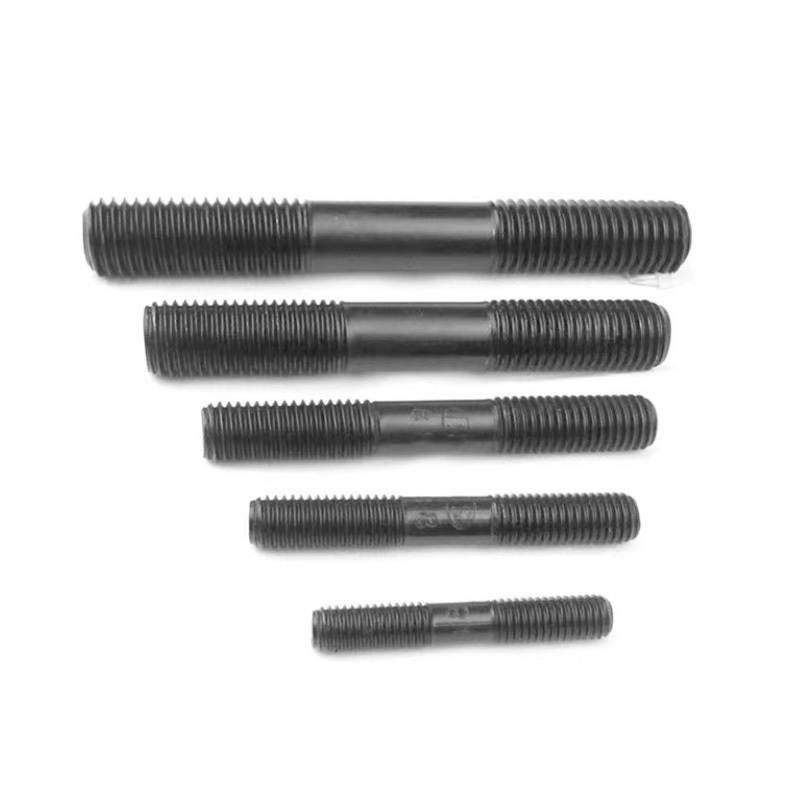
Understanding Stud Bolt DIN 938: A Comprehensive Guide for Industrial Applications
Nov 09,2025

Mainly produces bolts, nuts, washers, full threaded studs, anchor bolts, screws with DIN, BSW, ANIS, MS.


CONTACT US
Yongnian District, Handan City S318 Hebei Province rural credit Cooperative (Yuehua Road) southeast about 170 meters

Mobile website


