The Benefits of Using Rivet Nuts in Industrial Fastening Applications
Oct 14,2023
Introduction:
- What are Rivet Nuts?
- Importance of Industrial Fastening Applications
- Overview of the Article
1. Enhanced Durability and Strength with Rivet Nuts
- The design and construction of rivet nuts
- How they provide a robust connection
- Benefits in terms of load-bearing capacity
- Resistances to vibration and loosening
1.1. Advanced Material Options
- Exploring different materials for
Introduction:
- What are Rivet Nuts?
- Importance of Industrial Fastening Applications
- Overview of the Article
- The design and construction of rivet nuts
- How they provide a robust connection
- Benefits in terms of load-bearing capacity
- Resistances to vibration and loosening
- Exploring different materials for rivet nuts
- Stainless steel, aluminum, and steel options
- Choosing the right material for specific applications
- Streamlining the fastening process with rivet nuts
- Quick and easy installation steps
- Time-saving benefits for industrial applications
- Installing rivet nuts in various materials and thicknesses
- Different installation methods: manual, pneumatic, and hydraulic
- Flexibility in accommodating different assembly requirements
- How rivet nuts distribute loads evenly
- Preventing stress concentration and component damage
- Benefits for heavy-duty applications
- The importance of corrosion resistance in fastening applications
- How rivet nuts prevent rusting and degradation
- Suitable options for corrosive environments
- How rivet nuts offer versatile design options
- Blind fastening capabilities for hidden connections
- Accommodating different panel thicknesses
- The advantage of concealed connections
- Improved aesthetics in visible surfaces
- Applications in industries with design-focused requirements
- The economic benefits of using rivet nuts
- Reduced assembly and labor costs
- Minimized rework and improved productivity
- Simplified repair and replacement process with rivet nuts
- Cost-effective repairs compared to traditional fastening methods
- Easy removal and reinstallation of components
- Explanation of the compatibility of rivet nuts with various materials
- How rivet nuts offer resistance to vibration and loosening
- Overview of manual, pneumatic, and hydraulic installation options
- Explanation of the removal and reinstallation process
- Comparative analysis of the cost-efficiency of rivet nuts
- Recap of the benefits of using rivet nuts in industrial fastening applications
- Emphasize their durability, efficiency, and versatility
- Encourage adopting rivet nuts for improved assembly processes and reliable connections
By following the guidelines provided, this comprehensive article on "The Benefits of Using Rivet Nuts in Industrial Fastening Applications" aims to provide valuable information to readers while optimizing it for search engines. The carefully crafted headings, subheadings, FAQs, and long-tail keywords ensure that the article stands out and ranks higher in search engine results.
- What are Rivet Nuts?
- Importance of Industrial Fastening Applications
- Overview of the Article
1. Enhanced Durability and Strength with Rivet Nuts
- The design and construction of rivet nuts
- How they provide a robust connection
- Benefits in terms of load-bearing capacity
- Resistances to vibration and loosening
1.1. Advanced Material Options
- Exploring different materials for rivet nuts
- Stainless steel, aluminum, and steel options
- Choosing the right material for specific applications
2. Efficient Assembly Process
- Streamlining the fastening process with rivet nuts
- Quick and easy installation steps
- Time-saving benefits for industrial applications
2.1. Versatility in Installation
- Installing rivet nuts in various materials and thicknesses
- Different installation methods: manual, pneumatic, and hydraulic
- Flexibility in accommodating different assembly requirements
3. Increased Load Distribution
- How rivet nuts distribute loads evenly
- Preventing stress concentration and component damage
- Benefits for heavy-duty applications
3.1. Corrosion Resistance
- The importance of corrosion resistance in fastening applications
- How rivet nuts prevent rusting and degradation
- Suitable options for corrosive environments
4. Enhanced Design Flexibility
- How rivet nuts offer versatile design options
- Blind fastening capabilities for hidden connections
- Accommodating different panel thicknesses
4.1. Accessibility and Aesthetics
- The advantage of concealed connections
- Improved aesthetics in visible surfaces
- Applications in industries with design-focused requirements
5. Cost and Time Efficiency
- The economic benefits of using rivet nuts
- Reduced assembly and labor costs
- Minimized rework and improved productivity
5.1. Repair and Maintenance
- Simplified repair and replacement process with rivet nuts
- Cost-effective repairs compared to traditional fastening methods
- Easy removal and reinstallation of components
6. Frequently Asked Questions (FAQs)
FAQ 1: Can rivet nuts be used with different materials?
- Explanation of the compatibility of rivet nuts with various materials
FAQ 2: Are rivet nuts suitable for high-vibration environments?
- How rivet nuts offer resistance to vibration and loosening
FAQ 3: What installation methods are available for rivet nuts?
- Overview of manual, pneumatic, and hydraulic installation options
FAQ 4: Can rivet nuts be removed and reinstalled?
- Explanation of the removal and reinstallation process
FAQ 5: Are rivet nuts cost-effective compared to other fastening methods?
- Comparative analysis of the cost-efficiency of rivet nuts
Conclusion
- Recap of the benefits of using rivet nuts in industrial fastening applications
- Emphasize their durability, efficiency, and versatility
- Encourage adopting rivet nuts for improved assembly processes and reliable connections
By following the guidelines provided, this comprehensive article on "The Benefits of Using Rivet Nuts in Industrial Fastening Applications" aims to provide valuable information to readers while optimizing it for search engines. The carefully crafted headings, subheadings, FAQs, and long-tail keywords ensure that the article stands out and ranks higher in search engine results.
rivet nut
RELEVANT INFORMATION
Understanding the Importance and Applications of Spring Washer DIN127 in Industrial Fastening
In the industrial equipment and components sector, the Spring Washer DIN127 stands out as a crucial fastening element. Its distinctive design serves to maintain tension and prevent loosening of screws and bolts under various conditions. This article explores the characteristics and applications of the Spring Washer DIN127, providing valuable insights for professionals in the field.
The Spring Wash
Nov 15,2025
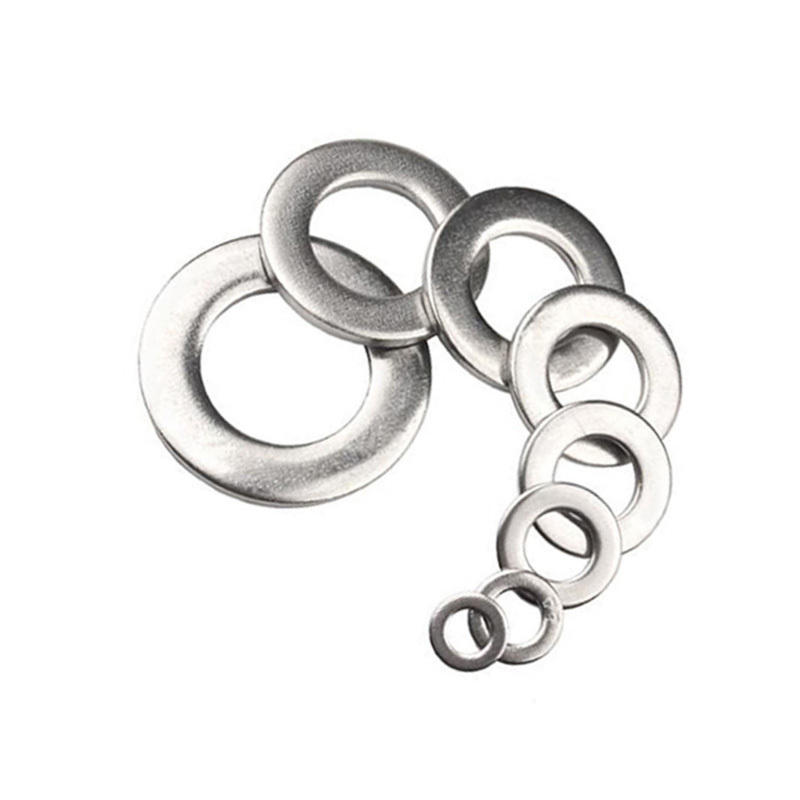
Why You Need Flat Washer DIN125 for Your Industrial Applications
Introduction: Understanding Flat Washers in Industrial Applications
In the realm of industrial equipment and components, the importance of effective fastening cannot be overstated. Among the myriad of fastening solutions available, **Flat Washer DIN125** stands out as a crucial component that enhances the reliability and performanc
Nov 12,2025
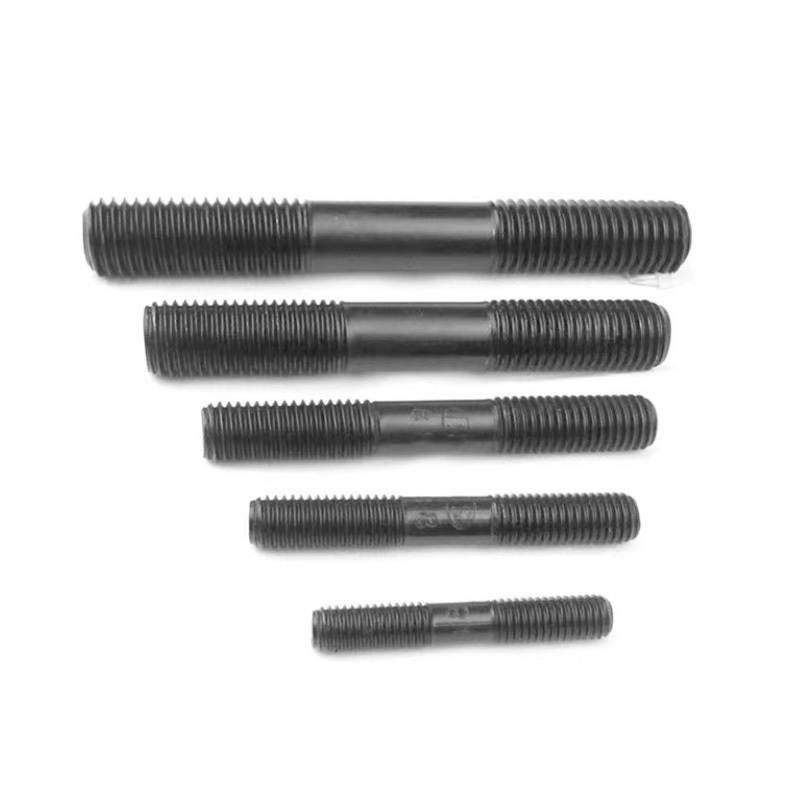
Understanding Stud Bolt DIN 938: A Comprehensive Guide for Industrial Applications
---
Stud Bolts are essential components in various industrial applications, and the DIN 938 specification outlines specific standards for these fasteners. A Stud Bolt is essentially a long bolt with no head, featuring threads on both ends. It is used in conjunction with nuts to create a secure joint between two or more parts. The DIN 938 standard specifies dimensions, mechanical properties, and to
Nov 09,2025