
The Importance of Flange Nuts in Industrial Equipment
Oct 04,2023
Table of Contents
1. Introduction: Understanding the Significance of Flange Nuts
2. What Are Flange Nuts?
3. The Different Types of Flange Nuts and Their Applications
4. The Importance of Flange Nuts in Industrial Equipment Maintenance
5. How Flange Nuts Enhance Equipment Efficiency
6. The Role of Flange Nuts in Ensuring Equipment Safety
7. Frequently Asked Questions (FAQs) about Flange Nuts
8. Co
Table of Contents
1. Introduction: Understanding the Significance of Flange Nuts
2. What Are Flange Nuts?
3. The Different Types of Flange Nuts and Their Applications
4. The Importance of Flange Nuts in Industrial Equipment Maintenance
5. How Flange Nuts Enhance Equipment Efficiency
6. The Role of Flange Nuts in Ensuring Equipment Safety
7. Frequently Asked Questions (FAQs) about Flange Nuts
8. Conclusion: Emphasizing the Crucial Role of Flange Nuts in Industrial Equipment
Flange nuts are a fundamental component of industrial equipment, serving a crucial role in various mechanical applications. These nuts are specifically designed to provide stability, strength, and security to different parts of machinery. In this article, we will delve into the importance of flange nuts in industrial equipment and how they contribute to its overall performance and safety.
Flange nuts, also known as collar nuts, are specialized fasteners with an enlarged circular flange at one end. This flange acts as a washer, distributing the load and providing a larger surface area for secure fastening. Flange nuts are typically made from high-quality materials such as stainless steel, carbon steel, or alloy steel, ensuring durability and resistance to corrosion.
There are several types of flange nuts available, each designed to cater to specific industrial applications. Some common types include serrated flange nuts, hex flange nuts, and nylon insert flange nuts. Serrated flange nuts, for instance, feature serrations on the flange side, which prevent loosening due to vibration. Hex flange nuts, on the other hand, provide a larger bearing surface and are commonly used in automotive and construction equipment. Nylon insert flange nuts incorporate a nylon ring that creates friction and prevents loosening in high-vibration environments.
Proper maintenance of industrial equipment is crucial to ensure its longevity and optimal performance. Flange nuts play a vital role in this maintenance process. By securely fastening different components of machinery, flange nuts prevent loosening and minimize the risk of costly breakdowns. Regular inspection and tightening of flange nuts can significantly contribute to the overall reliability and efficiency of industrial equipment.
Efficiency is a key concern for any industrial operation. Flange nuts contribute to equipment efficiency by providing a secure and stable fastening solution. Their enlarged flange distributes the load evenly, reducing stress on the connected components. This even distribution minimizes the risk of structural failure or premature wear and tear, allowing the machinery to operate smoothly and efficiently.
Safety is paramount in industrial environments, and flange nuts play a crucial role in ensuring equipment safety. The secure fastening provided by flange nuts prevents the loosening of critical components, reducing the risk of accidents or malfunctions. By minimizing the potential for unexpected equipment failures, flange nuts contribute to a safer working environment for operators and maintenance personnel.
Flange nuts are commonly made from high-quality materials such as stainless steel, carbon steel, or alloy steel. These materials offer excellent strength, durability, and resistance to corrosion, ensuring the longevity of the fastening solution.
While not all industrial equipment requires flange nuts, they are widely used in various applications to ensure secure fastening and prevent potential issues caused by loosening or vibrations.
Regular inspection and tightening of flange nuts should be included in routine equipment maintenance. The frequency of inspections may vary depending on the specific usage and operating conditions of the machinery.
Flange nuts can often be reused after removal, provided they are in good condition and meet the required specifications. However, it is essential to inspect them for any signs of wear, damage, or deformation before reuse.
While flange nuts are specifically designed for secure fastening, there may be alternative fastening solutions depending on the machinery and application. It is advisable to consult with professionals or follow equipment manufacturer recommendations for the most suitable fastening method.
In conclusion, flange nuts are integral to the smooth operation, efficiency, and safety of industrial equipment. By securely fastening components, distributing loads evenly, and minimizing the risk of loosening or vibrations, flange nuts contribute significantly to the overall performance and reliability of machinery. Proper maintenance, including regular inspection and tightening, ensures the continued effectiveness of flange nuts in industrial settings. Understanding the importance of flange nuts enables industries to enhance equipment efficiency and create a safer working environment for their personnel.
1. Introduction: Understanding the Significance of Flange Nuts
2. What Are Flange Nuts?
3. The Different Types of Flange Nuts and Their Applications
4. The Importance of Flange Nuts in Industrial Equipment Maintenance
5. How Flange Nuts Enhance Equipment Efficiency
6. The Role of Flange Nuts in Ensuring Equipment Safety
7. Frequently Asked Questions (FAQs) about Flange Nuts
8. Conclusion: Emphasizing the Crucial Role of Flange Nuts in Industrial Equipment
1. Introduction: Understanding the Significance of Flange Nuts
Flange nuts are a fundamental component of industrial equipment, serving a crucial role in various mechanical applications. These nuts are specifically designed to provide stability, strength, and security to different parts of machinery. In this article, we will delve into the importance of flange nuts in industrial equipment and how they contribute to its overall performance and safety.
2. What Are Flange Nuts?
Flange nuts, also known as collar nuts, are specialized fasteners with an enlarged circular flange at one end. This flange acts as a washer, distributing the load and providing a larger surface area for secure fastening. Flange nuts are typically made from high-quality materials such as stainless steel, carbon steel, or alloy steel, ensuring durability and resistance to corrosion.
3. The Different Types of Flange Nuts and Their Applications
There are several types of flange nuts available, each designed to cater to specific industrial applications. Some common types include serrated flange nuts, hex flange nuts, and nylon insert flange nuts. Serrated flange nuts, for instance, feature serrations on the flange side, which prevent loosening due to vibration. Hex flange nuts, on the other hand, provide a larger bearing surface and are commonly used in automotive and construction equipment. Nylon insert flange nuts incorporate a nylon ring that creates friction and prevents loosening in high-vibration environments.
4. The Importance of Flange Nuts in Industrial Equipment Maintenance
Proper maintenance of industrial equipment is crucial to ensure its longevity and optimal performance. Flange nuts play a vital role in this maintenance process. By securely fastening different components of machinery, flange nuts prevent loosening and minimize the risk of costly breakdowns. Regular inspection and tightening of flange nuts can significantly contribute to the overall reliability and efficiency of industrial equipment.
5. How Flange Nuts Enhance Equipment Efficiency
Efficiency is a key concern for any industrial operation. Flange nuts contribute to equipment efficiency by providing a secure and stable fastening solution. Their enlarged flange distributes the load evenly, reducing stress on the connected components. This even distribution minimizes the risk of structural failure or premature wear and tear, allowing the machinery to operate smoothly and efficiently.
6. The Role of Flange Nuts in Ensuring Equipment Safety
Safety is paramount in industrial environments, and flange nuts play a crucial role in ensuring equipment safety. The secure fastening provided by flange nuts prevents the loosening of critical components, reducing the risk of accidents or malfunctions. By minimizing the potential for unexpected equipment failures, flange nuts contribute to a safer working environment for operators and maintenance personnel.
7. Frequently Asked Questions (FAQs) about Flange Nuts
FAQ 1: What materials are commonly used to manufacture flange nuts?
Flange nuts are commonly made from high-quality materials such as stainless steel, carbon steel, or alloy steel. These materials offer excellent strength, durability, and resistance to corrosion, ensuring the longevity of the fastening solution.
FAQ 2: Do all industrial equipment require flange nuts?
While not all industrial equipment requires flange nuts, they are widely used in various applications to ensure secure fastening and prevent potential issues caused by loosening or vibrations.
FAQ 3: How often should flange nuts be inspected and tightened?
Regular inspection and tightening of flange nuts should be included in routine equipment maintenance. The frequency of inspections may vary depending on the specific usage and operating conditions of the machinery.
FAQ 4: Can flange nuts be reused after removal?
Flange nuts can often be reused after removal, provided they are in good condition and meet the required specifications. However, it is essential to inspect them for any signs of wear, damage, or deformation before reuse.
FAQ 5: Are there any alternatives to flange nuts?
While flange nuts are specifically designed for secure fastening, there may be alternative fastening solutions depending on the machinery and application. It is advisable to consult with professionals or follow equipment manufacturer recommendations for the most suitable fastening method.
8. Conclusion: Emphasizing the Crucial Role of Flange Nuts in Industrial Equipment
In conclusion, flange nuts are integral to the smooth operation, efficiency, and safety of industrial equipment. By securely fastening components, distributing loads evenly, and minimizing the risk of loosening or vibrations, flange nuts contribute significantly to the overall performance and reliability of machinery. Proper maintenance, including regular inspection and tightening, ensures the continued effectiveness of flange nuts in industrial settings. Understanding the importance of flange nuts enables industries to enhance equipment efficiency and create a safer working environment for their personnel.
flange nut
RELEVANT INFORMATION

Understanding the Importance and Applications of Spring Washer DIN127 in Industrial Fastening
In the industrial equipment and components sector, the Spring Washer DIN127 stands out as a crucial fastening element. Its distinctive design serves to maintain tension and prevent loosening of screws and bolts under various conditions. This article explores the characteristics and applications of the Spring Washer DIN127, providing valuable insights for professionals in the field.
The Spring Wash
Nov 15,2025
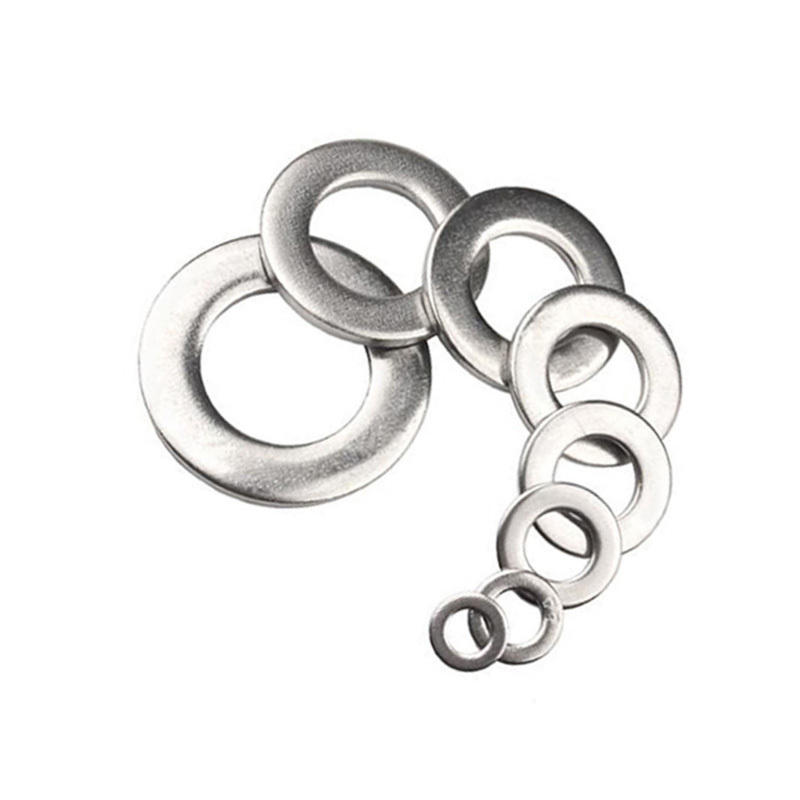
Why You Need Flat Washer DIN125 for Your Industrial Applications
Why You Need Flat Washer DIN125 for Your Industrial Applications
Introduction: Understanding Flat Washers in Industrial Applications
In the realm of industrial equipment and components, the importance of effective fastening cannot be overstated. Among the myriad of fastening solutions available, **Flat Washer DIN125** stands out as a crucial component that enhances the reliability and performanc
Nov 12,2025
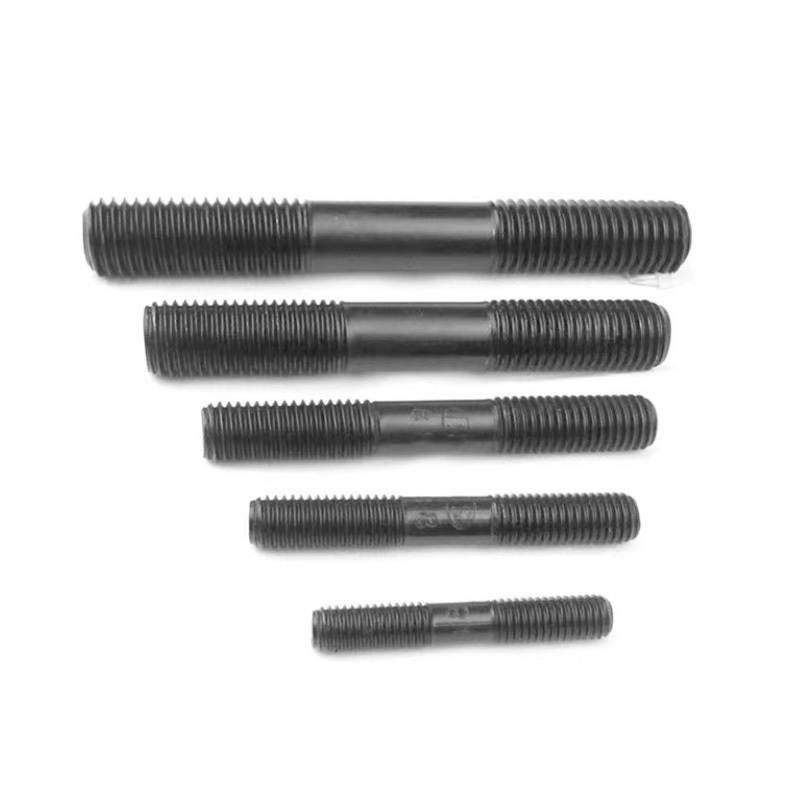
Understanding Stud Bolt DIN 938: A Comprehensive Guide for Industrial Applications
---
Stud Bolts are essential components in various industrial applications, and the DIN 938 specification outlines specific standards for these fasteners. A Stud Bolt is essentially a long bolt with no head, featuring threads on both ends. It is used in conjunction with nuts to create a secure joint between two or more parts. The DIN 938 standard specifies dimensions, mechanical properties, and to
Nov 09,2025

Mainly produces bolts, nuts, washers, full threaded studs, anchor bolts, screws with DIN, BSW, ANIS, MS.


CONTACT US
Yongnian District, Handan City S318 Hebei Province rural credit Cooperative (Yuehua Road) southeast about 170 meters

Mobile website


