
Choosing the Right Set Screw: A Guide for Industrial Applications
Sep 26,2023
1. Introduction
2. Understanding Set Screws
3. Types of Set Screws
3.1. Slotted Set Screws
3.2. Socket Set Screws
3.3. Hex Socket Set Screws
3.4. Square Head Set Screws
3.5. Cone Point Set Screws
4. Key Considerations for Choosing Set Screws
4.1. Material
4.2. Size and Thread
4.3. Head Type
4.4. Point Type
4.5. Drive Type
4.6. Coatings and Finishes
5. Selecting the Right Set Screw for Specific Applications
5.1. Automotive Industry
5.2. Construction Industry
5.3. Electronic Industry
5.4. Machinery Industry
6. Frequently Asked Questions (FAQs)
6.1. What is a set screw?
6.2. How does a set screw work?
6.3. Can set screws be reused?
6.4. What are the common materials used for set screws?
6.5. How do I determine the right thread size for a set screw?
7. Conclusion
1. Introduction
As an integral component in various industrial applications, set screws play a crucial role in ensuring the functionality and stability of assembled parts. This guide aims to provide you with a comprehensive understanding of set screws and empower you to choose the right one for your specific needs.
2. Understanding Set Screws
Set screws, also known as grub screws, are threaded fasteners used to secure an object within or against another object. Unlike traditional screws, set screws do not feature a protruding head but instead have a headless design. This allows them to be fully threaded into a tapped hole or driven into a shaft to provide a secure and flush connection.
3. Types of Set Screws
There are several types of set screws available, each designed to fulfill specific requirements and applications. Let's explore some of the common types:
3.1. Slotted Set Screws
Slotted set screws feature a straight slot on the top of the screw head, allowing them to be tightened or loosened using a standard slotted screwdriver. These screws provide a cost-effective solution for applications that do not require high torque.
3.2. Socket Set Screws
Socket set screws, also known as Allen screws or grub screws, have a hexagonal socket in their head. This design allows them to be tightened or loosened using an Allen wrench or hex key. Socket set screws offer greater torque capability and are commonly used in applications requiring precise adjustment.
3.3. Hex Socket Set Screws
Similar to socket set screws, hex socket set screws also feature a hexagonal socket in their head. However, they have a longer length, providing increased thread engagement and improved stability in high-load applications.
3.4. Square Head Set Screws
Square head set screws have a square-shaped head, making them suitable for applications where wrenches or pliers are used for tightening or loosening. The square head design offers increased torque transmission capabilities.
3.5. Cone Point Set Screws
Cone point set screws have a sharp, cone-shaped point instead of a flat or rounded one. This design allows for deeper penetration into the mating material, resulting in enhanced grip and resistance against loosening.
4. Key Considerations for Choosing Set Screws
When selecting the right set screw for your industrial applications, several factors should be taken into consideration:
4.1. Material
The material of the set screw should be compatible with the mating material to ensure optimal performance and prevent corrosion. Common materials include stainless steel, alloy steel, brass, and nylon.
4.2. Size and Thread
Choosing the correct size and thread pitch is crucial to ensure a proper fit and secure connection. Consider factors such as the diameter, length, and thread type when selecting the appropriate set screw.
4.3. Head Type
Different head types offer various advantages in terms of torque transmission, accessibility for tightening, and aesthetics. Consider factors such as the application requirements and available tools when choosing the head type.
4.4. Point Type
The point type of a set screw determines its gripping capabilities and resistance to vibration. Choose from options such as flat point, cone point, dog point, and cup point based on the application requirements.
4.5. Drive Type
The drive type determines the tool required for tightening or loosening the set screw. Common drive types include slotted, Phillips, Allen, and Torx. Consider the ease of use and tool availability when selecting the drive type.
4.6. Coatings and Finishes
Coatings and finishes provide additional protection against corrosion and wear. Options such as zinc plating, black oxide coating, and stainless steel passivation can enhance the longevity of set screws in harsh environments.
5. Selecting the Right Set Screw for Specific Applications
Different industries and applications have unique demands when it comes to set screws. Here are some examples of how to select the right set screw for specific industries:
5.1. Automotive Industry
In the automotive industry, set screws are commonly used in engine components, transmissions, and suspension systems. High-strength materials and reliable locking mechanisms are crucial to withstand vibrations and heavy loads.
5.2. Construction Industry
The construction industry often requires set screws for structural or decorative purposes. Stainless steel set screws with corrosion-resistant coatings are ideal for outdoor applications, while brass set screws are suitable for interior fittings.
5.3. Electronic Industry
Precision and reliability are paramount in the electronic industry. Set screws used in electronic devices and equipment require non-conductive materials such as nylon to prevent short circuits or electromagnetic interference.
5.4. Machinery Industry
In the machinery industry, set screws are used for securing parts and providing precise adjustments. Set screws with high-torque capabilities, such as hex socket set screws, are commonly employed to ensure stability and prevent loosening.
6. Frequently Asked Questions (FAQs)
Here are some frequently asked questions about set screws:
6.1. What is a set screw?
A set screw is a threaded fastener with no protruding head, designed to secure an object within or against another object.
6.2. How does a set screw work?
A set screw is tightened into a tapped hole or driven into a shaft to provide a secure and flush connection between two objects.
6.3. Can set screws be reused?
Set screws can be reused if they are not damaged or stripped. However, it is recommended to replace them with new ones to ensure the integrity of the connection.
6.4. What are the common materials used for set screws?
Common materials used for set screws include stainless steel, alloy steel, brass, and nylon.
6.5. How do I determine the right thread size for a set screw?
To determine the right thread size for a set screw, you need to measure the diameter and thread pitch of the mating hole or shaft.
7. Conclusion
Choosing the right set screw is vital for the success and reliability of industrial applications. By understanding the various types, key considerations, and specific industry requirements, you can confidently select the perfect set screw for your needs. Remember to consider factors such as material compatibility, size and thread, head and point types, drive type, and coatings or finishes. By following this comprehensive guide, you can make informed decisions and ensure optimal performance in your industrial endeavors.
set screw
RELEVANT INFORMATION

Understanding the Importance and Applications of Spring Washer DIN127 in Industrial Fastening
Nov 15,2025
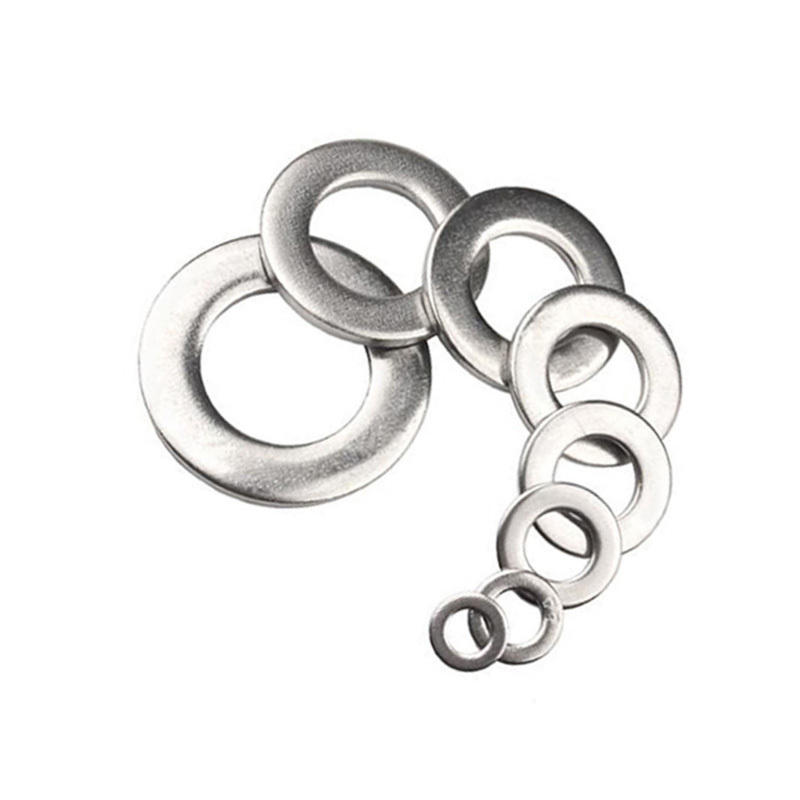
Why You Need Flat Washer DIN125 for Your Industrial Applications
Nov 12,2025
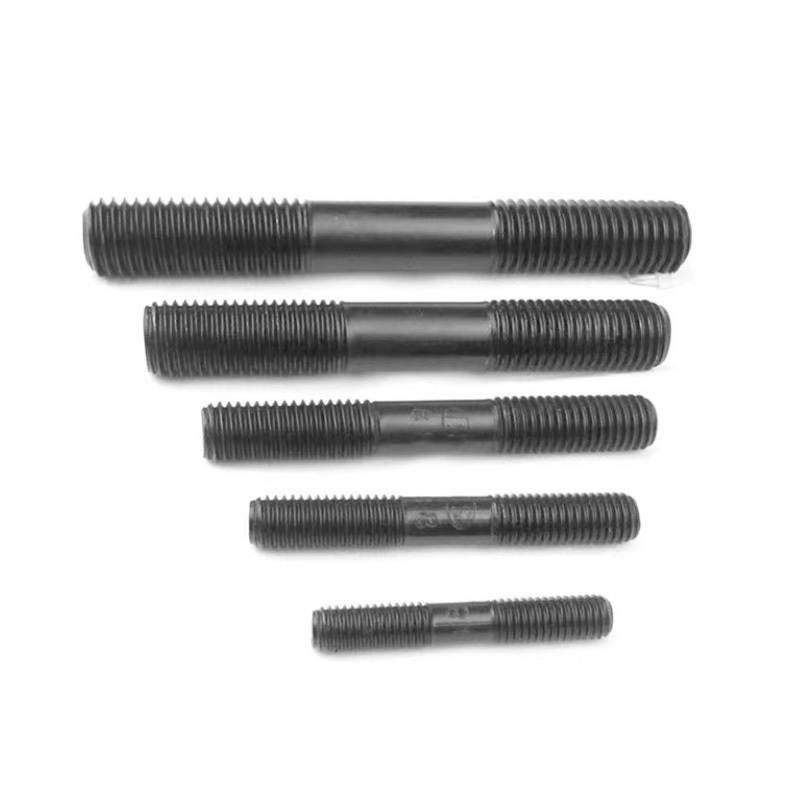
Understanding Stud Bolt DIN 938: A Comprehensive Guide for Industrial Applications
Nov 09,2025

Mainly produces bolts, nuts, washers, full threaded studs, anchor bolts, screws with DIN, BSW, ANIS, MS.


CONTACT US
Yongnian District, Handan City S318 Hebei Province rural credit Cooperative (Yuehua Road) southeast about 170 meters

Mobile website


