
Choosing the Right Eye Bolt for Your Industrial Equipment: A Comprehensive Guide
Sep 24,2023
1. Understanding the Importance of Choosing the Right Eye Bolt
2. Types of Eye Bolts and Their Applications
3. Factors to Consider When Selecting an Eye Bolt
4. Understanding Eye Bolt Sizing and Thread Lengths
5. Different Eye Bolt Materials and Their Advantages
6. Installation and Safety Tips for Eye Bolts
7. Frequently Asked Questions (FAQs)
8. Conclusion
1. Understanding the Importance of Choosing the Right Eye Bolt
Choosing the right eye bolt for your industrial equipment is crucial for maintaining safety and ensuring the longevity of your machinery. Eye bolts are commonly used for lifting, rigging, and securing heavy loads, making them essential components in various industries. By selecting an appropriate eye bolt, you can avoid accidents, equipment damage, and costly repairs.
2. Types of Eye Bolts and Their Applications
There are several types of eye bolts available, each designed for specific applications. Some common types include:
2.1 Machinery Eye Bolts
Machinery eye bolts are ideal for overhead lifting and rigging applications. They feature a shoulder or collar that can handle heavy loads securely.
2.2 Shoulder Eye Bolts
Shoulder eye bolts have a larger shank diameter and extended shoulder, providing increased strength and load-bearing capabilities. They are suitable for heavy-duty lifting tasks.
2.3 Screw Eye Bolts
Screw eye bolts are versatile and easy to install. They have a threaded shank that can be screwed directly into a surface, such as wood or metal.
2.4 Lag Eye Bolts
Lag eye bolts are designed for use in wood or other softer materials. They have a lag screw thread and are commonly used for hanging light to medium-weight objects.
3. Factors to Consider When Selecting an Eye Bolt
When choosing the right eye bolt for your industrial equipment, consider the following factors:
3.1 Working Load Limit (WLL)
The WLL indicates the maximum weight a bolt can safely handle. It is crucial to select an eye bolt with a WLL that exceeds the load you intend to lift or secure.
3.2 Environment and Conditions
Consider the environment in which the eye bolt will be used. Factors such as temperature, moisture, chemicals, and vibrations can affect the performance and longevity of the bolt. Choose a material suitable for the specific conditions.
3.3 Angle of Lift
The angle at which the eye bolt will bear the load affects its capacity. Refer to load angle charts provided by manufacturers to ensure you select the appropriate eye bolt.
3.4 Mounting Surface
The material and thickness of the mounting surface play a crucial role in determining the type and size of eye bolt required. Ensure the bolt is compatible with the surface to prevent accidents or damage.
4. Understanding Eye Bolt Sizing and Thread Lengths
Eye bolts come in various sizes, and it is essential to select the correct size for your application. The sizing of eye bolts is determined by their shank diameter and thread length. Refer to manufacturer specifications and guidelines to ensure accurate sizing.
5. Different Eye Bolt Materials and Their Advantages
Eye bolts are available in different materials, each with its advantages. Some common materials include:
5.1 Stainless Steel
Stainless steel eye bolts offer excellent corrosion resistance and durability. They are ideal for outdoor or harsh environments.
5.2 Carbon Steel
Carbon steel eye bolts are strong and cost-effective. They are suitable for most industrial applications but may require additional corrosion protection.
5.3 Alloy Steel
Alloy steel eye bolts provide enhanced strength and are commonly used in high-load applications. They are suitable for heavy machinery and equipment.
6. Installation and Safety Tips for Eye Bolts
Proper installation and maintenance of eye bolts are essential for safe and efficient operations. Follow these tips:
6.1 Pre-installation Inspection
Inspect the eye bolt and its components for any signs of damage or wear before installation. Replace any faulty or worn-out parts.
6.2 Proper Torque
Ensure the eye bolt is tightened to the manufacturer's specified torque. Over or under-tightening can compromise its performance.
6.3 Regular Inspections
Periodically inspect the eye bolt and its mounting surface for signs of damage or loosening. This helps prevent accidents and ensures the continued safety of your operations.
7. Frequently Asked Questions (FAQs)
FAQ 1: What is the maximum load an eye bolt can handle?
The maximum load an eye bolt can handle depends on its Working Load Limit (WLL). Always refer to the manufacturer's specifications for accurate load capacity information.
FAQ 2: Can I reuse an eye bolt?
Eye bolts can be reused if they are in good condition and pass a thorough inspection. However, it is recommended to replace eye bolts if there are any signs of wear, damage, or compromised integrity.
FAQ 3: Can I use a regular bolt instead of an eye bolt?
Regular bolts are not designed for lifting or rigging applications. They lack the necessary features, such as load-bearing shoulders or collars, and may fail under heavy loads. Always use eye bolts specifically designed for lifting and rigging tasks.
FAQ 4: How often should I inspect eye bolts?
Regular inspections should be conducted based on the manufacturer's recommendations and the specific requirements of your industry. However, it is advisable to inspect eye bolts at least annually or after any incidents that may have caused stress or damage.
FAQ 5: Can eye bolts be used for angular lifts?
Yes, eye bolts can be used for angular lifts. However, ensure that the load angle is within the manufacturer's specified range and refer to load angle charts for accurate capacity calculations.
8. Conclusion
Choosing the right eye bolt for your industrial equipment is essential for safety, efficiency, and equipment longevity. Consider factors such as working load limit, environment, angle of lift, and mounting surface to make an informed decision. Proper installation, regular inspections, and adherence to manufacturer guidelines will ensure the continued performance and safety of your operations. Selecting the ideal eye bolt will provide peace of mind and contribute to the smooth functioning of your industrial equipment.
eye bolts
RELEVANT INFORMATION

Understanding the Importance and Applications of Spring Washer DIN127 in Industrial Fastening
Nov 15,2025
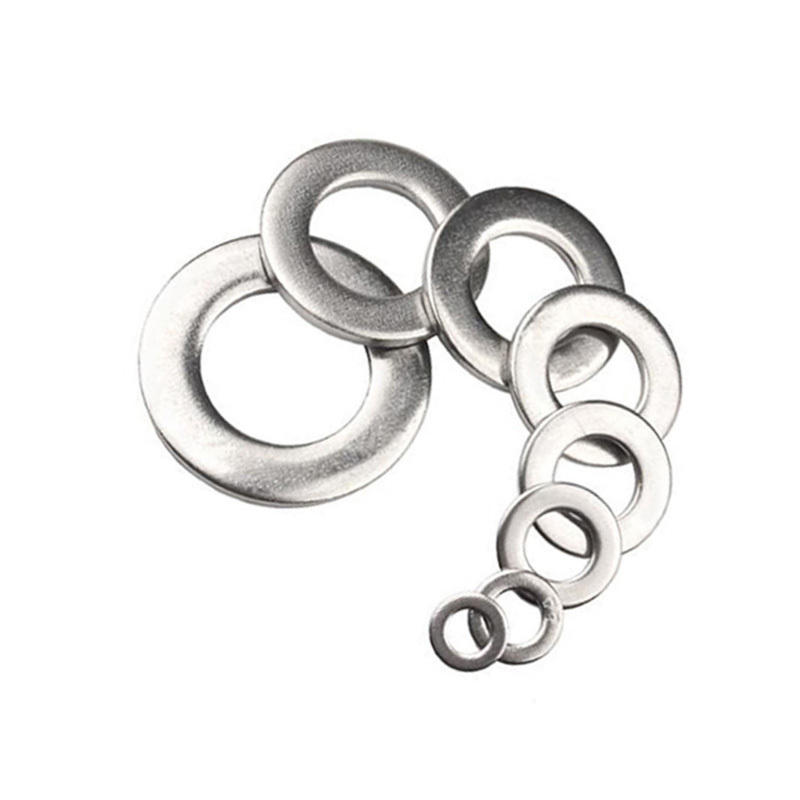
Why You Need Flat Washer DIN125 for Your Industrial Applications
Nov 12,2025
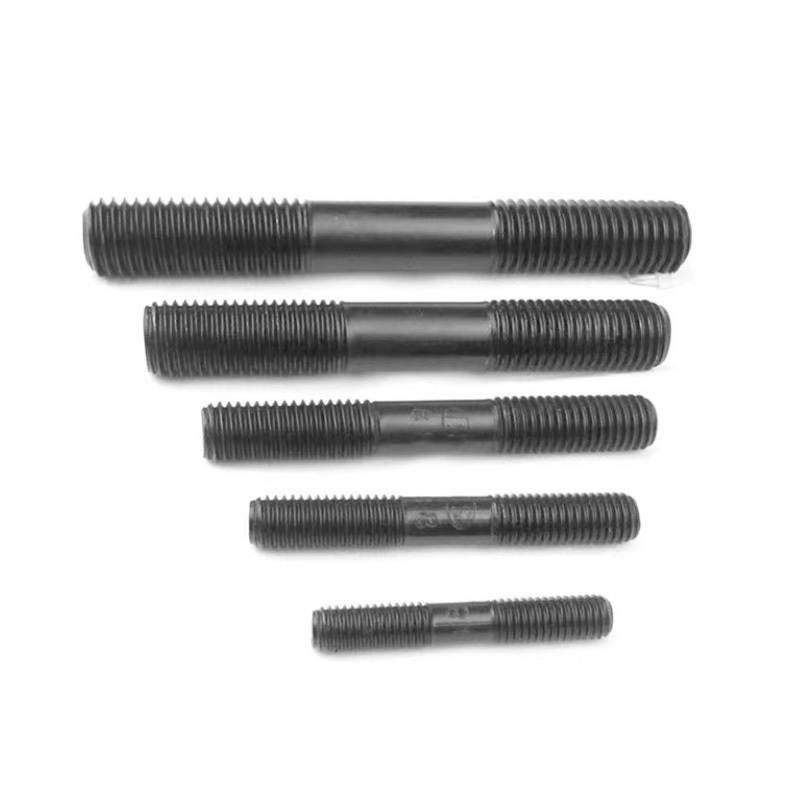
Understanding Stud Bolt DIN 938: A Comprehensive Guide for Industrial Applications
Nov 09,2025

Mainly produces bolts, nuts, washers, full threaded studs, anchor bolts, screws with DIN, BSW, ANIS, MS.


CONTACT US
Yongnian District, Handan City S318 Hebei Province rural credit Cooperative (Yuehua Road) southeast about 170 meters

Mobile website


