
The Ultimate Guide to Carriage Bolts: Everything You Need to Know
Sep 15,2023
1. Introduction to Carriage Bolts
2. The History of Carriage Bolts
3. Types of Carriage Bolts
3.1 Full Thread Carriage Bolts
3.2 Partial Thread Carriage Bolts
3.3 Square Neck Carriage Bolts
3.4 Round Head Carriage Bolts
4. Choosing the Right Carriage Bolt
5. Carriage Bolt Applications
5.1 Construction and Woodworking
5.2 Furniture Assembly
5.3 Automotive Industry
5.4 Machinery and Equipment
6. Installation of Carriage Bolts
6.1 Preparing the Work Surface
6.2 Drilling Pilot Holes
6.3 Inserting and Tightening the Carriage Bolt
6.4 Securing and Finishing the Bolt
7. Frequently Asked Questions (FAQs)
7.1 What is the difference between a carriage bolt and a regular bolt?
7.2 Can carriage bolts be used in outdoor applications?
7.3 Are carriage bolts reusable?
7.4 How do I prevent the carriage bolt from spinning?
7.5 What are the advantages of using carriage bolts?
8. Conclusion
1. Introduction to Carriage Bolts
Carriage bolts are versatile fasteners extensively used in various applications due to their unique design and functionality. In this comprehensive guide, we will explore everything you need to know about carriage bolts, including their history, types, applications, and installation techniques.
2. The History of Carriage Bolts
The origin of carriage bolts dates back to the 19th century when they were primarily used in the carriage-building industry. These bolts were specifically designed to secure the wooden parts of carriages, providing a sturdy and reliable connection. Over time, their applications expanded beyond carriages, making them an essential component in numerous industries.
3. Types of Carriage Bolts
Carriage bolts come in different types, each catering to specific needs and requirements. The most common types include full thread carriage bolts, partial thread carriage bolts, square neck carriage bolts, and round head carriage bolts. Understanding the characteristics of each type will help you choose the appropriate bolt for your project.
3.1 Full Thread Carriage Bolts
Full thread carriage bolts have threads that extend along the entire length of the bolt. These bolts are often used when a secure connection through multiple layers of material is required.
3.2 Partial Thread Carriage Bolts
Partial thread carriage bolts have a threaded portion at the top, with the rest of the shank unthreaded. They are commonly used in applications where the unthreaded portion fits into a pre-drilled hole, providing stability and preventing rotation.
3.3 Square Neck Carriage Bolts
Square neck carriage bolts feature a square-shaped neck directly beneath the head. This design prevents the bolt from spinning during installation, making them ideal for applications where a locked connection is necessary.
3.4 Round Head Carriage Bolts
Round head carriage bolts have a rounded head that provides a smooth and finished appearance. They are often used in projects where aesthetics play a significant role, such as furniture assembly.
4. Choosing the Right Carriage Bolt
Selecting the appropriate carriage bolt for your project is crucial to ensure a secure and durable connection. Consider factors such as material compatibility, bolt size, thread length, and head style. Consulting a professional or referring to bolt size charts can help you make an informed decision.
5. Carriage Bolt Applications
Carriage bolts find widespread use in various industries and applications due to their reliability and versatility. Some common applications include construction and woodworking, furniture assembly, automotive industry, and machinery and equipment. Their ability to provide a strong and secure connection makes them indispensable in these fields.
5.1 Construction and Woodworking
In construction and woodworking, carriage bolts are used to join heavy timber members, secure structural components, and assemble wooden structures. Their resistance to pull-out forces and their ability to withstand heavy loads make them ideal for these applications.
5.2 Furniture Assembly
Carriage bolts play a crucial role in furniture assembly, providing a sturdy and long-lasting connection between different components. They are commonly used in bed frames, tables, chairs, and other furniture pieces that require a secure and stable structure.
5.3 Automotive Industry
The automotive industry relies on carriage bolts for various applications, including securing body panels, attaching accessories, and assembling interior components. The high strength and durability of carriage bolts make them suitable for these demanding automotive environments.
5.4 Machinery and Equipment
Carriage bolts are extensively used in the machinery and equipment industry to secure moving parts, attach mechanical components, and ensure the stability of heavy machinery. Their ability to withstand vibrations and heavy loads makes them a preferred choice in this industry.
6. Installation of Carriage Bolts
Proper installation of carriage bolts is essential to ensure a strong and reliable connection. Follow these steps for successful installation:
6.1 Preparing the Work Surface
Ensure the work surface is clean and free from debris. If necessary, drill pilot holes to accommodate the bolt shank.
6.2 Drilling Pilot Holes
Use an appropriately sized drill bit to create pilot holes for the carriage bolts. The diameter of the pilot hole should match the unthreaded portion of the bolt shank.
6.3 Inserting and Tightening the Carriage Bolt
Insert the carriage bolt into the pilot hole, ensuring the square neck sits firmly against the work surface. Use a wrench or socket to tighten the bolt, ensuring a secure connection.
6.4 Securing and Finishing the Bolt
Place a washer and nut onto the threaded portion of the bolt and tighten them to secure the connection. If desired, cover the exposed threads with a decorative cap or acorn nut for a finished appearance.
7. Frequently Asked Questions (FAQs)
7.1 What is the difference between a carriage bolt and a regular bolt?
Carriage bolts have a square neck beneath the head, preventing rotation during installation. Regular bolts lack this square neck and are often used with nuts and washers.
7.2 Can carriage bolts be used in outdoor applications?
Yes, carriage bolts are suitable for outdoor applications as they are typically made from corrosion-resistant materials such as stainless steel or galvanized steel.
7.3 Are carriage bolts reusable?
Carriage bolts can be reused if they are in good condition and have not been subjected to excessive loads or damage. However, it is recommended to inspect the bolts and replace them if necessary.
7.4 How do I prevent the carriage bolt from spinning?
Ensure the square neck of the bolt is seated firmly against the work surface. You can also use pliers or a wrench to hold the square neck while tightening the nut.
7.5 What are the advantages of using carriage bolts?
Carriage bolts offer numerous advantages, including easy installation, resistance to pull-out forces, high load-bearing capacity, and an aesthetically appealing appearance.
8. Conclusion
Carriage bolts are versatile fasteners that play a vital role in various industries and applications. Understanding their types, applications, and installation techniques will enable you to make informed decisions and achieve secure and long-lasting connections. Whether you are involved in construction, woodworking, furniture assembly, or automotive and machinery industries, carriage bolts are an essential component in your toolkit. With this ultimate guide, you are now equipped with the knowledge needed to navigate the world of carriage bolts and excel in your projects.
carriage bolts
RELEVANT INFORMATION

Understanding the Importance and Applications of Spring Washer DIN127 in Industrial Fastening
Nov 15,2025
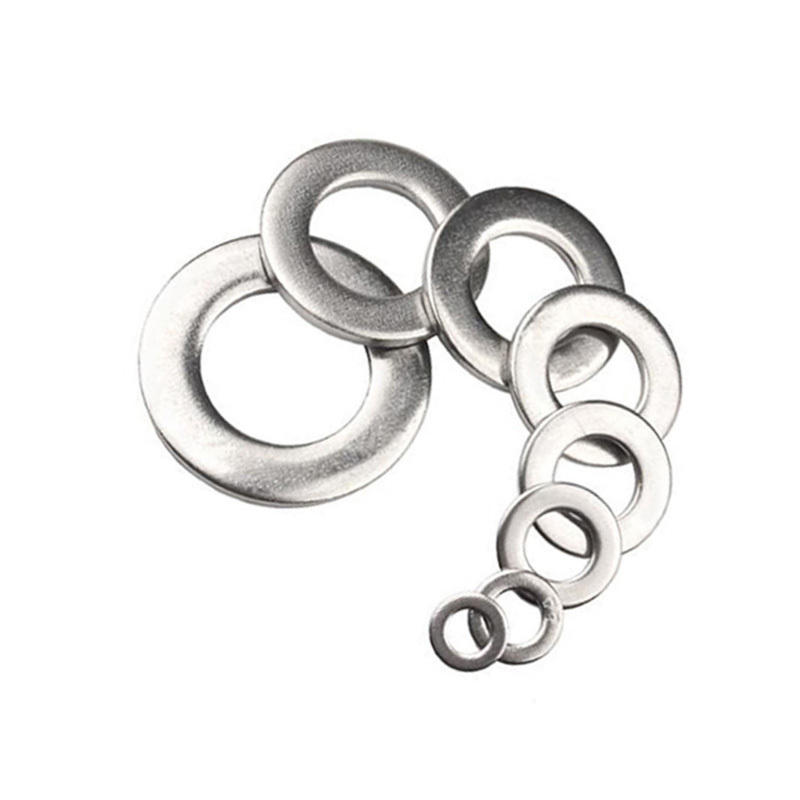
Why You Need Flat Washer DIN125 for Your Industrial Applications
Nov 12,2025
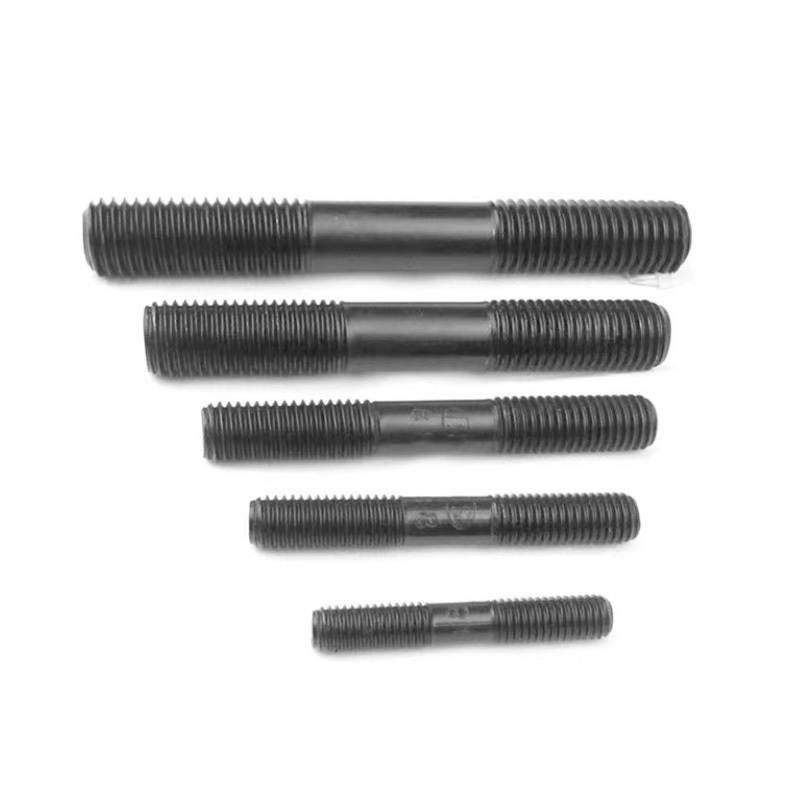
Understanding Stud Bolt DIN 938: A Comprehensive Guide for Industrial Applications
Nov 09,2025

Mainly produces bolts, nuts, washers, full threaded studs, anchor bolts, screws with DIN, BSW, ANIS, MS.


CONTACT US
Yongnian District, Handan City S318 Hebei Province rural credit Cooperative (Yuehua Road) southeast about 170 meters

Mobile website


