
The Versatility of T-Bolts: A Must-Have for Industrial Equipment and Components
Sep 13,2023
1. Introduction: The Significance of T-Bolts in Industrial Applications
2. What are T-Bolts?
3. The Advantages of T-Bolts in Industrial Equipment
4. Key Features and Specifications of T-Bolts
5. Common Uses of T-Bolts in Industrial Components
6. How T-Bolts Enhance System Integrity and Stability
7. Factors to Consider When Choosing T-Bolts for Your Applications
8. FAQs about T-Bolts
9. Conclusion
1. Introduction: The Significance of T-Bolts in Industrial Applications
T-Bolts play a crucial role in various industrial sectors, providing a secure and reliable connection between equipment and components. From heavy machinery to intricate electrical systems, T-Bolts are essential for maintaining stability, ensuring safety, and enhancing overall performance.
2. What are T-Bolts?
T-Bolts, also known as T-slot bolts or T-head bolts, are specialized fasteners designed with a unique T-shaped head. This head allows for easy insertion and positioning within T-slots, which are commonly found in industrial profiles, frames, and other components. T-Bolts are typically paired with T-nuts or other compatible accessories to form a strong and adjustable connection.
3. The Advantages of T-Bolts in Industrial Equipment
T-Bolts offer numerous advantages that make them indispensable in industrial equipment. Firstly, their adjustable nature allows for easy repositioning and modification of components, ensuring flexibility and adaptability in various applications. Moreover, T-Bolts provide a secure and sturdy connection, reducing the risk of equipment failure or accidents due to loosening or detachment.
4. Key Features and Specifications of T-Bolts
T-Bolts come in a variety of sizes, materials, and head styles to suit different industrial requirements. They are commonly available in steel, stainless steel, and other durable alloys. The T-shaped head allows for quick and effortless installation, while the threaded shaft ensures a tight and secure fit. Some T-Bolts also feature anti-corrosion coatings or platings to enhance their longevity.
5. Common Uses of T-Bolts in Industrial Components
T-Bolts find extensive use in a wide range of industrial components. They are frequently employed in machine frames, workbenches, conveyor systems, and assembly lines, where they provide a reliable connection for securing components, mounting accessories, and facilitating easy adjustments. Additionally, T-Bolts are used in the construction of jig fixtures, tooling plates, and clamping systems, enabling precise positioning and alignment.
6. How T-Bolts Enhance System Integrity and Stability
The versatility of T-Bolts ensures the integrity and stability of industrial systems. By securely fastening components, T-Bolts help prevent vibration, movement, and misalignment, thereby reducing the risk of damage or malfunction. Furthermore, their adjustability allows for quick and precise alignment of equipment, resulting in improved overall performance and efficiency.
7. Factors to Consider When Choosing T-Bolts for Your Applications
Selecting the appropriate T-Bolts for your specific applications is crucial to ensure optimal performance. Factors to consider include the load-bearing capacity, material compatibility, head style, and size requirements. It is essential to consult with manufacturers or industry experts to identify the most suitable T-Bolts for your needs and to ensure compliance with safety regulations.
8. FAQs about T-Bolts
Q1: Are T-Bolts compatible with all types of T-slots?
Q2: Can T-Bolts be used in outdoor or corrosive environments?
Q3: What are the advantages of using stainless steel T-Bolts?
Q4: Do T-Bolts require any special tools for installation?
Q5: Can T-Bolts be reused or repositioned in different applications?
9. Conclusion
In conclusion, T-Bolts are invaluable components in the industrial sector, offering versatility, reliability, and enhanced performance. By understanding their various applications, benefits, and selection criteria, you can make informed decisions to incorporate T-Bolts into your industrial equipment and components. Invest in T-Bolts today and experience improved stability, efficiency, and safety in your operations.
t-bolts
RELEVANT INFORMATION

Understanding the Importance and Applications of Spring Washer DIN127 in Industrial Fastening
Nov 15,2025
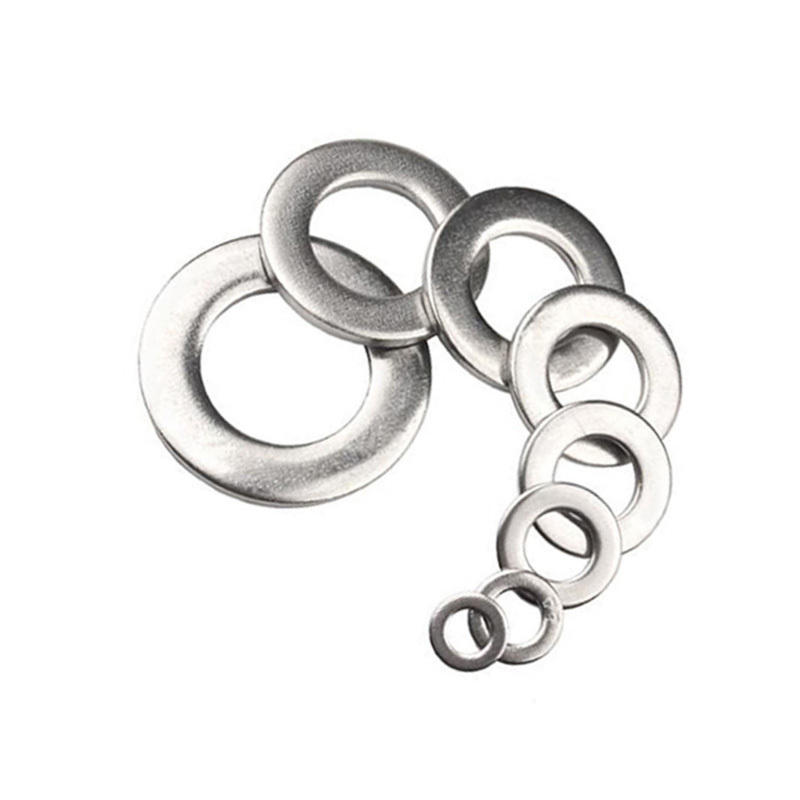
Why You Need Flat Washer DIN125 for Your Industrial Applications
Nov 12,2025
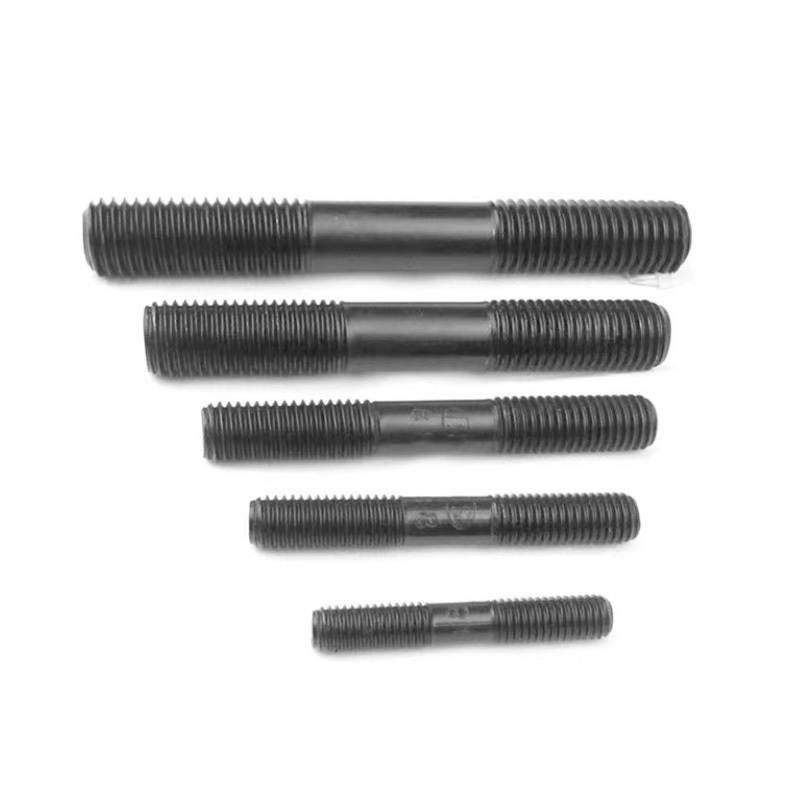
Understanding Stud Bolt DIN 938: A Comprehensive Guide for Industrial Applications
Nov 09,2025

Mainly produces bolts, nuts, washers, full threaded studs, anchor bolts, screws with DIN, BSW, ANIS, MS.


CONTACT US
Yongnian District, Handan City S318 Hebei Province rural credit Cooperative (Yuehua Road) southeast about 170 meters

Mobile website


