
Increasing Stability and Reducing Vibrations with U Bolts: A Comprehensive Guide for Enhanced Performance
Sep 11,2023
1. Introduction: Understanding the Significance of U Bolts
2. The Basics of U Bolts
2.1 What are U Bolts?
2.2 Key Features and Variations
3. Industries Benefiting from U Bolts
3.1 Automotive Industry
3.2 Construction and Building
3.3 Marine and Offshore Applications
3.4 Electrical and Telecommunication Infrastructure
4. Selecting the Right U Bolts for Your Needs
4.1 Determining the Correct Size and Material
4.2 Load Capacities and Strength Considerations
4.3 Coating and Corrosion Resistance
5. U Bolt Installation and Maintenance Best Practices
5.1 Proper Installation Techniques
5.2 Ensuring Tightened and Secure Fastening
5.3 Regular Inspection and Maintenance
6. Frequently Asked Questions (FAQs)
6.1 How do U bolts enhance stability in various applications?
6.2 Are U bolts suitable for heavy-duty applications?
6.3 Can U bolts reduce vibrations in automotive suspensions?
6.4 How often should U bolts be inspected and replaced?
6.5 What are some common challenges faced with U bolt installation?
7. Conclusion: Optimize Stability and Minimize Vibrations with U Bolts
1. Introduction: Understanding the Significance of U Bolts
U bolts play a crucial role in enhancing stability and reducing vibrations in a wide range of applications. Whether in the automotive industry, construction projects, or marine applications, U bolts provide reliable fastening solutions that promote structural integrity and minimize the negative effects of vibrations. This article delves into the world of U bolts, exploring their various features and applications to help you understand their significance in achieving optimal stability and performance.
2. The Basics of U Bolts
2.1 What are U Bolts?
U bolts are specialized fasteners designed in a "U" shape, featuring threads on each leg. They are commonly used to secure pipes, conduit, cables, and other objects to various surfaces, providing stability and preventing movement or vibrations. The unique shape of U bolts allows for secure attachment while allowing for easy installation and removal.
2.2 Key Features and Variations
U bolts come in various configurations to accommodate different applications. They are available in different sizes, materials, and finishes, allowing for customization based on specific requirements. Some key features to consider when selecting U bolts include thread size, leg length, inside width, material strength, and coating or finish options. Understanding these variations is crucial in choosing the right U bolts for your particular project.
3. Industries Benefiting from U Bolts
3.1 Automotive Industry
In the automotive sector, U bolts are widely used in suspension systems to secure leaf springs and other components to the axle. These bolts play a vital role in maintaining stability while absorbing vibrations from the road, ensuring a comfortable and safe ride. U bolts offer durability, strength, and resistance to the harsh conditions of the road, contributing to the overall performance and longevity of the vehicle.
3.2 Construction and Building
U bolts find immense utility in construction projects, providing essential support and stability. They are commonly used to secure steel beams, pipes, and other structural elements, ensuring their proper alignment and preventing movement or vibrations caused by external factors such as wind or seismic activities. U bolts play a crucial role in maintaining the integrity of buildings and structures, enhancing safety and longevity.
3.3 Marine and Offshore Applications
In marine and offshore industries, U bolts are employed to secure various equipment and structures on ships, docks, and oil rigs. These bolts withstand the harsh conditions of saltwater environments, providing reliable fastening solutions for critical applications such as securing piping systems, handrails, and other fixtures. U bolts contribute to the overall stability and safety of maritime operations.
3.4 Electrical and Telecommunication Infrastructure
U bolts are extensively used in electrical and telecommunication infrastructure to secure cables, conduits, and equipment to poles, towers, and other supporting structures. They offer reliable fastening solutions that withstand the test of time, ensuring stability and reducing vibrations that could affect the performance of these essential systems. U bolts play a crucial role in maintaining the reliability and functionality of electrical and telecommunication networks.
4. Selecting the Right U Bolts for Your Needs
4.1 Determining the Correct Size and Material
Selecting the appropriate size and material of U bolts is essential for achieving optimal stability and performance. Consider factors such as the required load capacity, the size of the object being secured, and the environment in which the U bolts will be used. Stainless steel and galvanized steel are popular materials due to their strength, corrosion resistance, and durability.
4.2 Load Capacities and Strength Considerations
Understanding the load requirements of your application is crucial for selecting U bolts with the appropriate load capacity. Consider factors such as the weight of the object being secured, the potential impact or vibrations it may experience, and any safety regulations or standards that need to be met. Choosing U bolts with the right strength ensures the reliability and longevity of your project.
4.3 Coating and Corrosion Resistance
In environments where U bolts are exposed to moisture, chemicals, or other corrosive substances, selecting bolts with proper coating or finishes is essential. Hot-dip galvanizing, epoxy coating, or stainless steel U bolts offer excellent resistance to corrosion, ensuring long-term performance and reliability.
5. U Bolt Installation and Maintenance Best Practices
5.1 Proper Installation Techniques
Correct installation of U bolts is crucial for achieving the desired stability and performance. Ensure that the U bolts are aligned properly and tightened to the recommended torque specifications. Proper installation techniques include using a torque wrench, avoiding overtightening or undertightening, and following the manufacturer's guidelines.
5.2 Ensuring Tightened and Secure Fastening
Regularly inspect the U bolts to ensure they remain tightly fastened. Check for any signs of loosening, movement, or corrosion. If any issues are detected, promptly address them by retightening or replacing the U bolts. Secure fastening is essential to maintain stability and prevent vibrations in your applications.
5.3 Regular Inspection and Maintenance
To ensure long-term stability and minimize vibrations, regular inspection and maintenance of U bolts are necessary. Perform periodic checks on the bolts, examining their condition, tightness, and any signs of wear or damage. Replace any worn-out or damaged U bolts promptly to maintain the desired performance and prevent potential issues.
6. Frequently Asked Questions (FAQs)
6.1 How do U bolts enhance stability in various applications?
U bolts provide stability by securely fastening objects to surfaces, preventing movement or vibrations. The unique design and strength of U bolts ensure that objects remain in place, even in demanding environments.
6.2 Are U bolts suitable for heavy-duty applications?
Yes, U bolts are widely used in heavy-duty applications such as construction, automotive, and marine industries. Their strength, durability, and resistance to vibrations make them ideal for securing heavy objects in demanding environments.
6.3 Can U bolts reduce vibrations in automotive suspensions?
Yes, U bolts play a crucial role in automotive suspensions by securing leaf springs and other components. Their ability to absorb vibrations contributes to a smoother and more comfortable ride.
6.4 How often should U bolts be inspected and replaced?
Regular inspection is recommended to ensure the ongoing stability and performance of U bolts. The frequency of replacement depends on various factors such as the application, environmental conditions, and manufacturer recommendations.
6.5 What are some common challenges faced with U bolt installation?
Common challenges include incorrect size selection, improper alignment, inadequate torque, and insufficient coating or corrosion resistance. Addressing these challenges through proper installation techniques and material selection ensures optimal performance.
7. Conclusion: Optimize Stability and Minimize Vibrations with U Bolts
When it comes to increasing stability and reducing vibrations in various applications, U bolts prove to be indispensable fasteners. Their unique design, strength, and versatility make them suitable for a wide range of industries, including automotive, construction, marine, and electrical infrastructure. By selecting the right U bolts, following proper installation techniques, and conducting regular maintenance, you can significantly enhance stability and minimize vibrations, leading to improved performance, safety, and longevity in your projects. Invest in high-quality U bolts and unlock their full potential for optimal results.
u bolts
RELEVANT INFORMATION

Understanding the Importance and Applications of Spring Washer DIN127 in Industrial Fastening
Nov 15,2025
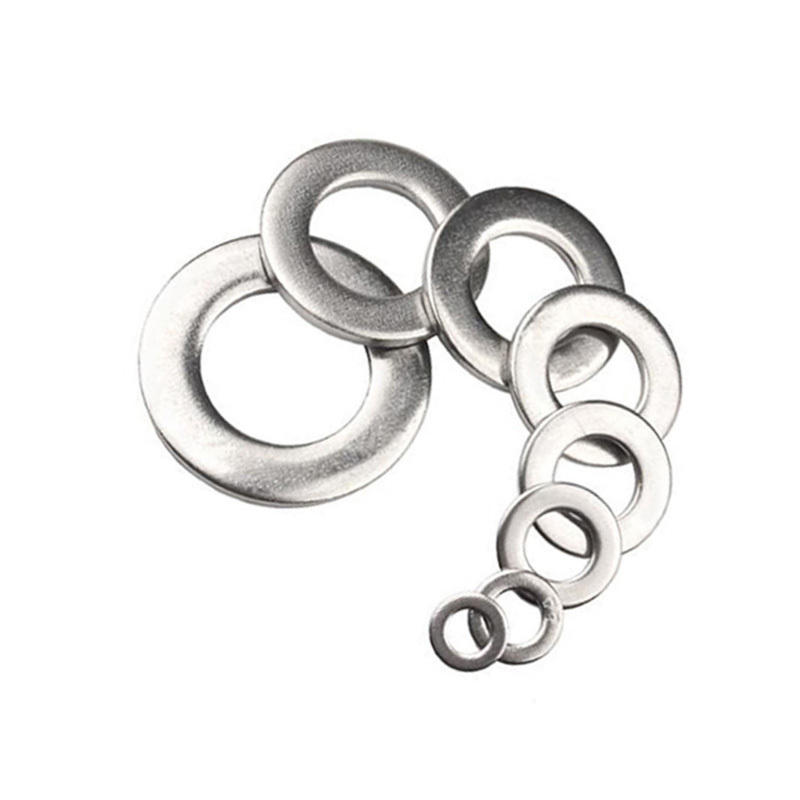
Why You Need Flat Washer DIN125 for Your Industrial Applications
Nov 12,2025
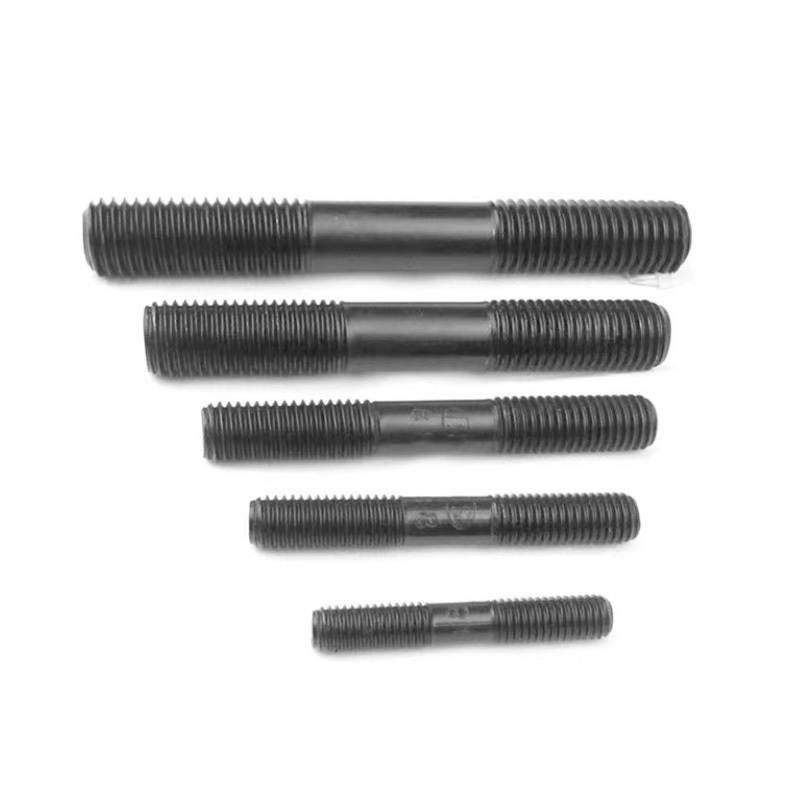
Understanding Stud Bolt DIN 938: A Comprehensive Guide for Industrial Applications
Nov 09,2025

Mainly produces bolts, nuts, washers, full threaded studs, anchor bolts, screws with DIN, BSW, ANIS, MS.


CONTACT US
Yongnian District, Handan City S318 Hebei Province rural credit Cooperative (Yuehua Road) southeast about 170 meters

Mobile website


