
A Comprehensive Guide to Hex Bolts: Everything You Need to Know
Sep 05,2023
1. Introduction: Understanding the Basics of Hex Bolts
2. The Benefits of Using Hex Bolts
3. Types of Hex Bolts and Their Applications
4. Factors to Consider When Choosing Hex Bolts
5. Proper Installation Techniques for Hex Bolts
6. Frequently Asked Questions (FAQs) about Hex Bolts
7. Conclusion
1. Introduction: Understanding the Basics of Hex Bolts
Hex bolts, also known as hex cap screws or machine bolts, are widely used in various industries and applications. These fasteners are designed with a hexagonal head and a threaded shaft, making them easy to install and remove using a wrench or socket. Hex bolts are known for their strength, durability, and ability to securely fasten objects together. In this section, we will delve deeper into the characteristics and features of hex bolts.
Key Points:
- Definition and purpose of hex bolts
- Common sizes and dimensions of hex bolts
- Material options for hex bolts
2. The Benefits of Using Hex Bolts
Hex bolts offer several advantages that make them a popular choice for construction, automotive, and industrial applications. In this section, we will discuss the key benefits of using hex bolts in various projects.
Key Points:
- High tensile strength and load-bearing capacity
- Resistance to corrosion and extreme temperatures
- Easy installation and removal
- Versatility in applications
- Cost-effectiveness and availability
3. Types of Hex Bolts and Their Applications
Hex bolts come in different types and sizes to suit various applications. Each type has distinct characteristics and features that make them suitable for specific projects. In this section, we will explore the different types of hex bolts and their applications.
Key Points:
- Full Thread Hex Bolts
- Partial Thread Hex Bolts
- Heavy Hex Bolts
- Flange Bolts
- Hex Cap Screws
- Hex Tap Bolts
4. Factors to Consider When Choosing Hex Bolts
Selecting the right hex bolt for your project is crucial to ensure optimal performance and safety. This section highlights the key factors to consider when choosing hex bolts, including material, size, strength, and environmental conditions.
Key Points:
- Material selection: stainless steel, carbon steel, alloy steel
- Size and length specifications
- Strength and load requirements
- Environmental conditions: corrosion resistance, temperature resistance
5. Proper Installation Techniques for Hex Bolts
Proper installation of hex bolts is essential to ensure their effectiveness and longevity. This section provides step-by-step guidelines and tips for correctly installing hex bolts in different applications, including pre-installation checks, tightening methods, and torque recommendations.
Key Points:
- Pre-installation checks: thread compatibility, hole preparation
- Tightening methods: hand tightening, torque wrench
- Torque recommendations based on bolt size and material
- Proper use of washers and nuts
- Safety precautions during installation
6. Frequently Asked Questions (FAQs) about Hex Bolts
Here are some commonly asked questions about hex bolts along with their concise answers:
Q1: What is the difference between hex bolts and hex cap screws?
A: Hex bolts and hex cap screws are essentially the same, with slight variations in thread length. Hex cap screws have a fully threaded shaft, while hex bolts can have either a fully threaded or partially threaded shaft.
Q2: Can hex bolts be used in outdoor applications?
A: Yes, hex bolts can be used in outdoor applications. However, it is important to choose the right material with sufficient corrosion resistance, such as stainless steel or zinc-plated bolts.
Q3: Are hex bolts reusable?
A: Yes, hex bolts are reusable as long as they are not damaged during removal. Make sure to inspect the bolts for any signs of wear or deformation before reusing them.
Q4: Can hex bolts be used for structural applications?
A: Yes, hex bolts can be used for structural applications. However, it is crucial to comply with the relevant building codes and standards to ensure the bolts meet the required strength and load-bearing criteria.
Q5: What is the difference between hex bolts and hex tap bolts?
A: Hex tap bolts have a fully threaded shaft and are typically used for threaded holes, while hex bolts can have either a fully threaded or partially threaded shaft and are used for through-holes.
7. Conclusion
In conclusion, hex bolts are versatile and reliable fasteners that offer numerous benefits across various industries and applications. With their strength, durability, and ease of installation, hex bolts provide secure and long-lasting connections. By understanding the different types, choosing the right bolt for your project, and following proper installation techniques, you can ensure the optimal performance of hex bolts in your applications. Remember to consider factors such as material, size, strength, and environmental conditions to select the most suitable hex bolts for your specific needs.
hex bolts
RELEVANT INFORMATION

Understanding the Importance and Applications of Spring Washer DIN127 in Industrial Fastening
Nov 15,2025
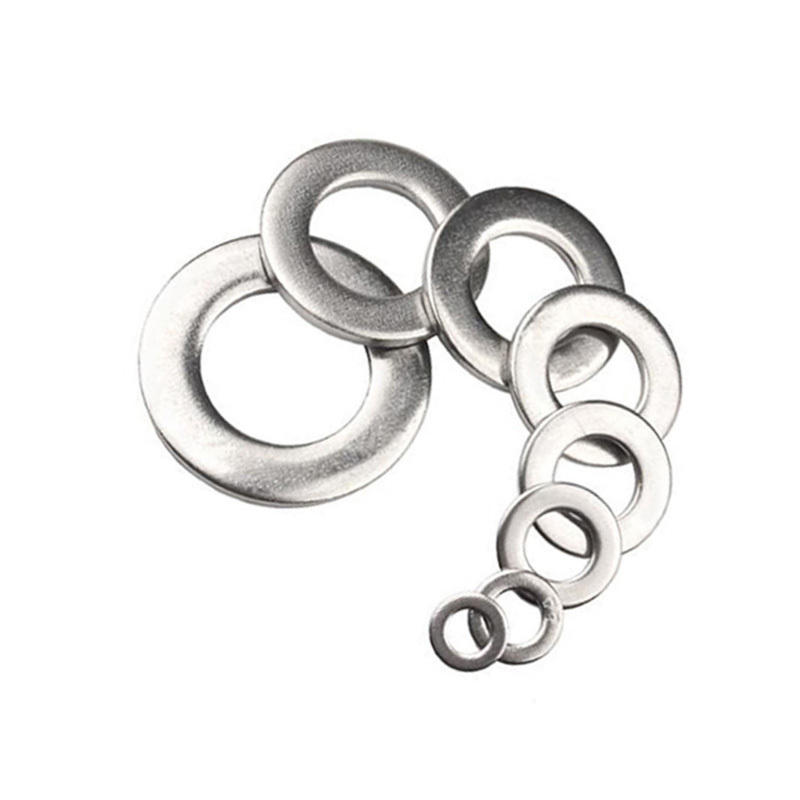
Why You Need Flat Washer DIN125 for Your Industrial Applications
Nov 12,2025
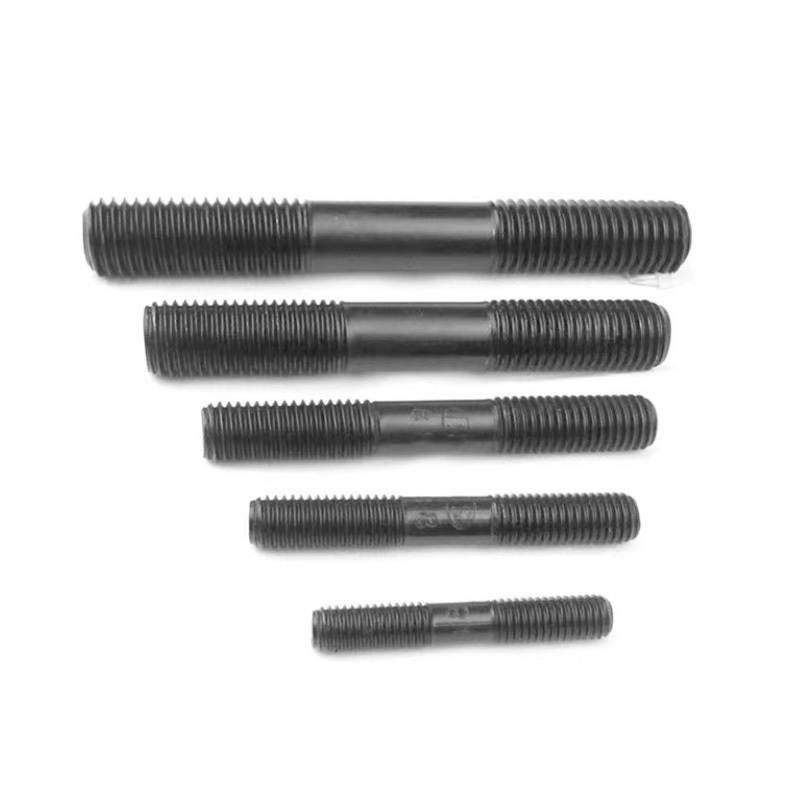
Understanding Stud Bolt DIN 938: A Comprehensive Guide for Industrial Applications
Nov 09,2025

Mainly produces bolts, nuts, washers, full threaded studs, anchor bolts, screws with DIN, BSW, ANIS, MS.


CONTACT US
Yongnian District, Handan City S318 Hebei Province rural credit Cooperative (Yuehua Road) southeast about 170 meters

Mobile website


